
Wood Home

📖 Table of Contents
A 'wood home' is more than just a structure made of timber—it's a design philosophy that values sustainability, craftsmanship, and natural aesthetics. Whether you're looking to build a small wooden cabin or a full-sized home, the appeal of wood lies in its versatility, warmth, and environmental benefits.
In the DIY and furniture niche, wood is a go-to material for both functional and decorative projects. From building a simple wooden box to constructing a full-scale wooden home, the process involves a mix of planning, skill, and attention to detail.
This guide serves as a comprehensive hub for all things related to 'wood home'—from construction techniques and material choices to creative DIY projects like wooden boxes and holders. It's designed to help you handle the world of wood-based living and crafting with confidence.
Key Takeaways
- Wood homes offer sustainable, durable, and aesthetically pleasing living spaces.
- DIY projects like wooden boxes and holders are accessible for all skill levels with the right tools and guidance.
- Japanese construction methods highlight the longevity and resilience of wood as a building material.
- Proper planning, material selection, and technique are critical to successful wood-based projects.
Wood Home
As of August 2026, Wood homes have been a staple in many cultures, especially in Japan, where they are renowned for their durability and harmony with nature. These homes are not only eco-friendly but also provide a warm and inviting living environment.[1]
Modern wood homes can be built with a variety of materials, including cedar, pine, and engineered wood products. According to the U.S. Department of Agriculture, wood is one of the most renewable building materials, with a single tree capable of sequestering up to 1.5 tons of CO2 over its lifetime.[2]
For DIY enthusiasts, building a small wooden home or cabin is a rewarding project that combines practicality with creativity. It can range from a simple A-frame shelter to a fully equipped living space, depending on your budget and skill level.
In this guide:
In this guide:
In this guide:
In this guide:
In this guide:
In this guide:
In this guide:
Build Wooden
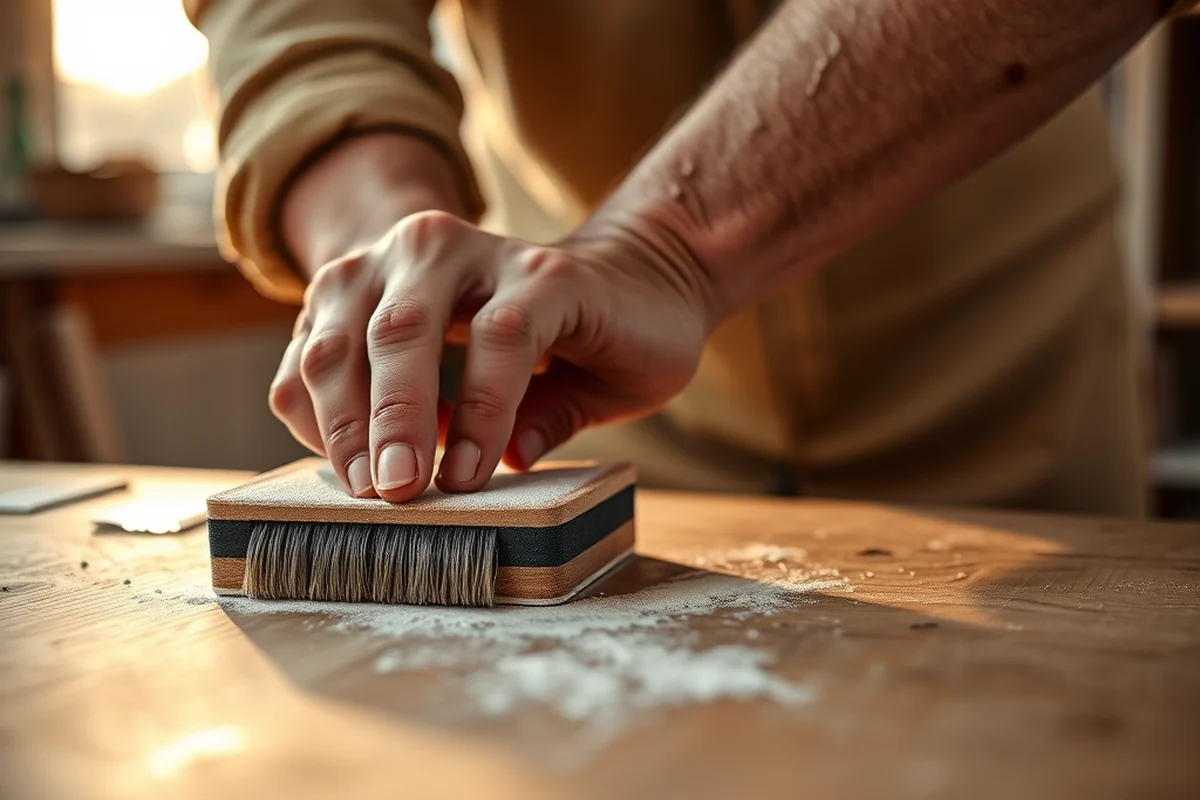
Whether you're constructing a full home or a simple wooden box, the process begins with a clear blueprint and an understanding of the tools and techniques required. Wood is a versatile material that can be shaped, cut, and assembled with relative ease.
One of the most common DIY projects is building a wooden box, which can be used for storage, decoration, or even as part of a larger furniture piece. These projects are ideal for beginners and can be completed with basic tools like saws, sanders, and clamps.
For those interested in more complex projects, such as building a wooden home, it's essential to consult local building codes and consider factors like insulation, roofing, and foundation support. Many DIY builders opt for kits or pre-fabricated components to simplify the process.
Related: Wooden Gate
Related: Diy Simple Wooden Box
Related: Diy Wooden Box
Related: Diy Easy Wood Projects
Related: Diy Wooden Hose Holder
Related: Diy Miniature House
Related: How To Build A Tree House
Related: What To Build A House With In Minecraft
Related: Tiny House Kits
Related: Wood Floors Plus
Related: How To Build The Small House
Related: How To Build A Tiny House
Wooden Box
Creating a wooden box is an excellent way to get started with woodworking, as it requires minimal tools and can be completed in a short amount of time. The design can range from a basic rectangular box to a more intricate, decorative piece.
For example, a popular beginner project is the 'simple wooden box with a lid,' which uses just a few pieces of wood, wood glue, and screws. This type of box can be used for storing small items like tools, crafting supplies, or even as a gift container.
Wooden boxes can also be customized with paint, stain, or inlays to match your personal style. They are a great way to practice techniques like joinery, cutting, and finishing, which are essential skills in woodworking.
“A 'wood home' is more than just a structure made of timber—it's a design philosophy that values sustainability, craftsmanship, and natural aesthetics.”— DIY Wooden Step Stool Plans editors
Related: How To Build A Treehouse
Holder

A wooden hose holder, for instance, is a common project that helps keep garden tools and hoses off the ground and within easy reach. These can be constructed using scrap wood and basic tools like a drill and saw.
When building a holder, it's important to consider the weight and size of the items it will hold. For heavier items, reinforcing the structure with additional supports or using stronger wood types like oak or maple is recommended.[3]
Many DIY enthusiasts create custom wooden holders for their homes, using them to store everything from keys and mail to books and plants. The versatility of wood makes it an ideal material for such projects.
Expert Tips and Advanced Techniques
Advanced woodworkers often utilize techniques such as dovetail joints, mortise and tenon, and hand-carved details to enhance durability and aesthetics. These methods require patience, practice, and a keen eye for detail, but they significantly elevate the quality of your DIY wood home projects.
Another expert tip is to always pre-drill holes before screwing into hardwood to prevent splitting. Also, using clamps during assembly ensures tight, secure joints and minimizes errors during construction.[4]
For finishing, consider using oil-based stains or wood finishes that allow the natural grain to show. Proper sanding and multiple coats of finish will ensure a long-lasting, professional appearance that protects your wood furniture and structures.
Tools, Materials and Resources
A well-stocked workshop includes tools like hand saws, chisels, sanders, clamps, and measuring instruments. High-quality wood such as oak, pine, or maple, along with wood glue and screws, are essential for building sturdy furniture and structures.
Investing in a good set of chisels, a router, and a table saw can significantly improve the precision and efficiency of your work. Also, having a variety of wood finishes and sandpapers ensures you can achieve the desired look for your project.
Online resources, woodworking forums, and DIY YouTube channels provide valuable tutorials and inspiration. Purchasing materials from local hardware stores or online retailers like Amazon or Woodworkers Source ensures you get the right supplies for your project.
Troubleshooting and Common Questions
One of the most common problems in wood home construction is wood warping or twisting, which can occur due to improper drying or exposure to moisture. To prevent this, ensure that all lumber is properly seasoned or kiln-dried before use, and avoid exposing it to high humidity or direct sunlight during the building process.
Another frequent issue is the appearance of gaps between wooden panels or frames, often due to improper fitting or expansion/contraction of wood. Using proper joinery techniques, such as dovetail or mortise-and-tenon joints, can improve stability. Also, applying wood glue and clamping joints tightly until the adhesive dries can minimize gaps and enhance structural integrity.
Many DIY builders also ask about the best way to finish a wood home. The answer depends on the desired look and protection level. Options include staining for a natural appearance, painting for durability, or using sealants like polyurethane for water resistance. It's important to follow the manufacturer's instructions for application and drying times to achieve the best results.
Getting Started: Your First Steps
Before you start cutting or assembling, take time to plan your project thoroughly. Sketch out your design, determine the dimensions, and calculate the amount of materials you’ll need. This will help avoid costly mistakes and ensure a smoother workflow.
Invest in the right tools for the job. Whether you're a beginner or an experienced woodworker, having a well-equipped workshop with essentials like a table saw, sander, clamps, and measuring tools will greatly enhance your results and efficiency.
When sourcing your materials, look for high-quality lumber from reputable suppliers. Choose wood that is suitable for your project—whether it’s hardwood for durability or softwood for affordability—and ensure it is free from knots, cracks, or other defects that could compromise the integrity of your build.
🌱 Beginner
The simplest version — minimal supplies, quick win.
💰 Budget
Same result using what you already have.
⚡ Quick
The 10-minute version for busy days.
✨ Advanced
The upgraded version once the basics stick.
| The mistake | Why it happens | The fix |
|---|---|---|
| Using the wrong type of wood for a project. | Not all wood types are suitable for every project. For example, using softwoods like pine for outdoor projects without proper treatment can lead to rot and damage. | Choose the right wood for the intended use. For outdoor projects, use treated or naturally resistant woods like cedar or redwood. |
| Skipping the planning stage. | Failing to plan the dimensions, materials, and assembly steps can lead to wasted time, materials, and frustration. | Always create a detailed plan or blueprint before starting any woodworking project. This helps ensure that all pieces fit together properly and that the final product meets your expectations. |
| Not securing joints properly. | Weak or poorly secured joints can compromise the structural integrity of the project, especially in larger structures like homes or furniture. |
Common Questions
What is a DIY wood home?
Why do Japanese build wooden houses?
How do I build a simple wooden box?
What are the best materials for a DIY wooden hose holder?
Cite this guide
DIY Wooden Step Stool Plans (2026). Wood Home. https://stoolreach.com/wood-home/
Feel free to cite or share this guide.
References
- Can I Keep This? | Bureau of Land Management (blm.gov)
- Joint Institute for Wood Products Innovation | BOF (bof.fire.ca.gov)
- Firewood: You may be bringing in more than just wood (canr.msu.edu)
- More Than 30% of Homes Heated With Wood In Some Counties (census.gov)