
What Are Diy Projects
📖 Table of Contents
I remember the first time I tried a DIY project — it was a simple wooden step stool, and I had no idea where to start. I was overwhelmed by the sheer number of options, the tools, and the instructions. But once I completed it, I felt a rush of satisfaction and pride that I never expected. DIY projects, like building a step stool, are about more than just assembling pieces of wood; they're about creating something with your own hands, learning new skills, and discovering what you're truly capable of.
DIY projects, or 'do it yourself' projects, are the perfect blend of creativity, practicality, and personal growth. Whether you're looking to build a step stool, a bookshelf, or a custom piece of furniture, these projects offer a way to transform raw materials into functional, beautiful items. What makes DIY projects so appealing is that they’re not just about the final product — they’re about the process, the learning, and the joy that comes from making something yourself.[1]
When I first heard the term 'DIY projects,' I assumed it was only for people who were already skilled with tools and wood. But over time, I realized that DIY projects are for everyone, regardless of experience. From beginners to seasoned woodworkers, there's a project for every skill level. What's more, DIY projects can be incredibly rewarding — not just financially, but emotionally, as they allow you to take control of your space and create something truly unique to you.[2]
Why You'll Love This DIY Project
- It’s a great way to learn fundamental woodworking skills like measuring, cutting, and assembling.
- You can customize the design to match your personal style or the needs of your home.
- It’s an affordable and rewarding project that gives you a sense of accomplishment.
- It’s a practical addition to your home that you can use for years to come.
What Are DIY Projects and Why They Matter
As of August 2026, DIY projects are a way to take control of your environment and create something that truly belongs to you. Whether it's a step stool, a piece of furniture, or a home decor item, DIY projects offer a sense of ownership and satisfaction that you can’t get from buying something off the shelf.
These projects are also an excellent way to learn new skills. From measuring and cutting wood to sanding and assembling pieces, DIY projects teach you the basics of woodworking and craftsmanship. Over time, these skills become second nature, and you’ll find yourself tackling more complex projects with confidence.
Another benefit of DIY projects is that they’re often more affordable than buying pre-made items. By building your own step stool, for example, you can save money while still creating a high-quality, custom product that fits your needs and style.
Before diving into a DIY project, invest in a few essential tools like a measuring tape, clamps, and a hand saw. These basics will make your project much easier and more precise.
The Benefits of DIY Projects

One of the greatest benefits of DIY projects is the opportunity to learn new skills. Whether you're a complete beginner or have some experience, each project teaches you something new. For example, building a step stool can help you learn how to cut wood accurately, use clamps properly, and assemble pieces without making mistakes.
Another benefit is the cost savings. By building your own furniture or home items, you can avoid the high prices of store-bought products. In my case, building a step stool cost around $40, which is far less than buying a similar product from a store.[3]
Finally, DIY projects offer a deep sense of personal satisfaction. There’s nothing quite like the feeling of completing a project and seeing the results of your hard work. That sense of accomplishment is what keeps many people coming back to DIY projects time and time again.
DIY projects are a journey — not just a destination.
Related: Diy projects is
Related: How to diy projects
Related: Diy projects adults
Related: Diy projects art
Related: Diy jean designs
What Makes a Good DIY Project
A good DIY project should be something that you can complete without feeling overwhelmed. It should have clear, step-by-step instructions that guide you through the process without being too complicated. For example, a step stool is a great project because it’s simple to build and doesn’t require advanced woodworking skills.
The materials used in a DIY project should be affordable and easily accessible. For a step stool, I used basic wood planks, screws, and a few other common materials that I found at a local hardware store. This makes the project accessible to people on a budget.
Finally, a good DIY project should be something that you can use in your daily life. A step stool is a perfect example because it’s a practical item that you can use for years to come. That functionality adds to the overall satisfaction of the project.
Start with simple projects and gradually move to more complex ones as your skills improve. This will help you build confidence and avoid frustration.
“I remember the first time I tried a DIY project — it was a simple wooden step stool, and I had no idea where to…”— DIY Wooden Step Stool Plans editors
The Role of Planning in DIY Projects
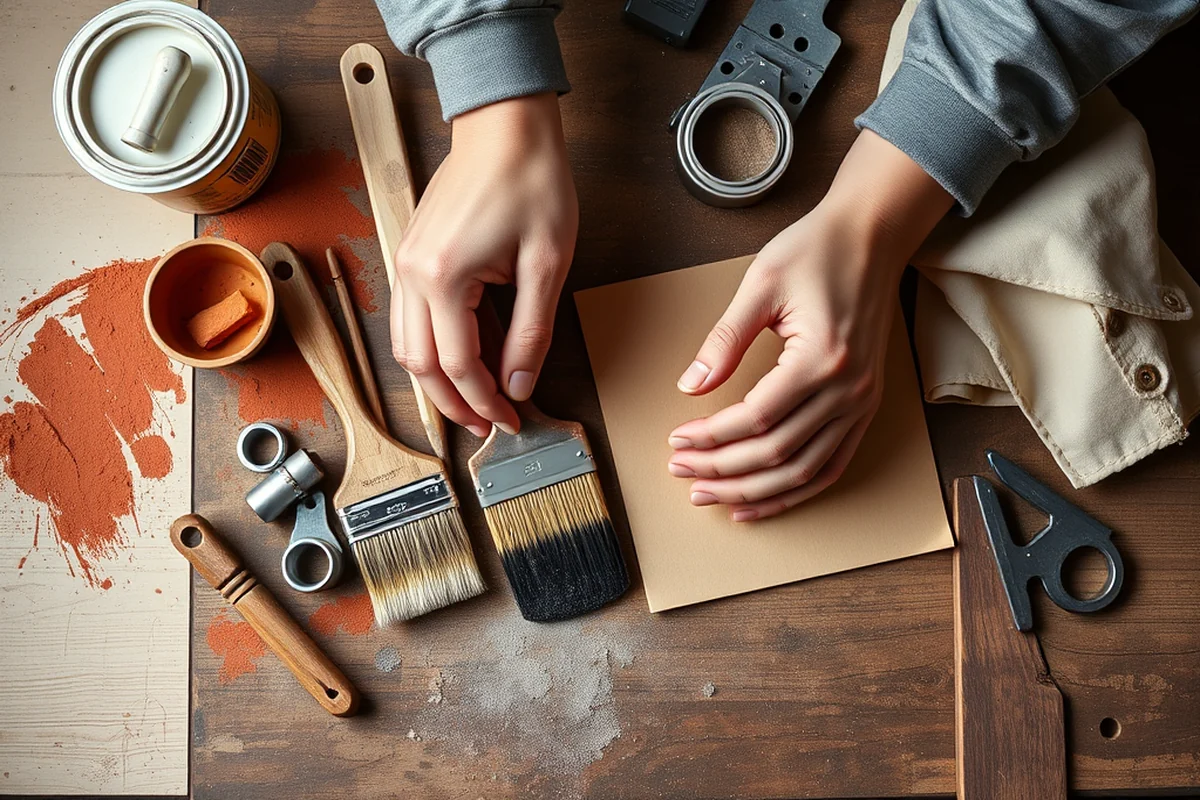
Before starting any DIY project, it’s crucial to plan out the steps involved. This includes measuring the materials, selecting the right tools, and making sure you have all the necessary supplies. Planning helps you avoid common mistakes like cutting pieces too short or not having the right tools.
One of the most important aspects of planning is measuring accurately. For my step stool project, I took precise measurements to ensure that all the pieces fit together properly. This prevented any issues during the assembly phase.
Planning also helps you set realistic expectations for the project. By knowing how long the project will take and how much it will cost, you can avoid feeling overwhelmed or disappointed. A well-planned DIY project sets you up for success.
How to Get Started with DIY Projects
The first step in getting started with DIY projects is to gather the necessary tools. A basic set of tools includes a measuring tape, a hand saw, clamps, and a screwdriver. These tools are essential for most DIY projects, including building a step stool.
Once you have the tools, the next step is to choose a project that fits your skill level and interests. For beginners, simple projects like a step stool are a great way to learn the basics and gain confidence.
Finally, it’s important to follow a clear plan and take your time. Rushing through a DIY project can lead to mistakes, so it’s best to take your time and focus on each step carefully. This will help you create a high-quality, finished product that you can be proud of.
Common Mistakes in DIY Projects
One of the most common mistakes in DIY projects is not planning properly. This can lead to wasted materials, confusion, and frustration. For example, I once skipped the planning phase on a project and ended up with pieces that didn’t fit together properly.
Another common mistake is rushing through the process. DIY projects require patience and attention to detail, and rushing can result in mistakes that are hard to fix later on. Taking your time ensures that each step is done correctly.
Finally, not following the instructions carefully can lead to problems. Each DIY project has a specific set of steps, and skipping or altering them can result in a finished product that doesn’t work as intended.
Mistakes are part of the process — but they can be avoided with careful planning.
The Long-Term Value of DIY Projects
One of the biggest advantages of DIY projects is their long-term value. Items you build yourself are often more durable and can last for many years. For example, my step stool has been in use for over three years and still looks and functions like new.
In addition to durability, DIY projects also offer ongoing learning opportunities. As you complete more projects, you’ll develop new skills and gain confidence in your abilities. This can lead to more complex projects and greater satisfaction.
Finally, DIY projects can become a lifelong hobby. Whether you're building furniture, home decor, or other items, the process of creating something with your own hands is both rewarding and fulfilling. This long-term value makes DIY projects a great investment in both time and effort.
💰 Budget Build
Use inexpensive materials and simplify the design to save money while still creating a functional step stool.
⏰ Weekend Version
A quick and easy step stool that can be completed in one weekend with minimal effort and time.
🎨 Upgraded Finish
Add a high-quality finish, such as paint or stain, to give your step stool a professional look and increase its durability.
🏠 Small-Space Adaptation
Design a compact step stool that’s ideal for small spaces, such as apartments or homes with limited storage.
🔒 Rental-Safe Option
Create a step stool that can be easily disassembled and moved, making it perfect for renters who may need to relocate frequently.
| The mistake | Why it happens | The fix |
|---|---|---|
| Not measuring accurately | Inaccurate measurements can lead to pieces that don’t fit together properly and may require re-cutting or adjustments. | Take your time to measure twice before cutting. Use a reliable measuring tape and double-check your measurements before proceeding. |
| Skipping the planning phase | Without a clear plan, you may end up with wasted materials and confusion during the build process. | Create a detailed plan with all the necessary steps, materials, and tools before starting your project. This will help you avoid unnecessary mistakes. |
| Rushing through the project | Rushing can lead to errors that are difficult to fix later on, such as misaligned pieces or improper assembly. | Take your time with each step and focus on accuracy. Rushing may save time in the short term, but it can result in more work later. |
| Not using the right tools | Using the wrong tools can make the project more difficult and increase the risk of mistakes. | Invest in the right tools for your project. For a step stool, basic tools like a hand saw, clamps, and a measuring tape are essential. |
What Are Diy Projects
Common Questions
What tools do I need for a DIY step stool project?
How long does it take to build a step stool?
Can I use different types of wood for the step stool?
What if I make a mistake during the build?
References
- feasibility, alternatives, and cost / benefit analysis guide (acf.gov)
- Makeover Your Art Room to Start the New Year with a Fresh ... (theartofeducation.edu)
- The Demographic Outlook: 2026 to 2056 (cbo.gov)
Cite this guide
DIY Wooden Step Stool Plans (2026). What Are Diy Projects. https://stoolreach.com/what-are-diy-projects/
Feel free to cite or share this guide.