
Why Do Guys Make Plans Then Ghost

📖 Table of Contents
- The Emotional Weight of a Ghosted Plan
- The Hidden Costs of Ghosting in DIY Projects
- Why Do Guys Make Plans Then Ghost?
- The Ripple Effect of Ghosting
- Why Do People Make Plans and Then Ghost?
- Expert Tips and Advanced Techniques
- Tools, Materials and Resources
- Tools, Materials and Resources
- Troubleshooting and Common Questions
- Troubleshooting and Common Questions
- Getting Started: Your First Steps
- Make It Your Way
- Frequently Asked Questions
There’s something oddly disheartening about making plans with someone and then watching them vanish—like you’ve just been handed a blueprint for a custom-built cabinet, only to find the wood is missing from the shop, the screws are nowhere to be found. The contractor never showed up. I remember the first time this happened to me. I had spent hours picking out a design for a step stool with my friend, sketching out the dimensions and even buying the materials. We were both excited. But then, like a ghost, he just disappeared. It left me with a pile of unfinished plans and a growing sense of confusion. Why do guys make plans then ghost? I’ve asked myself that question more than once, and it turns out, the answer isn’t always what you expect.[5]
With DIY and furniture projects, people often say things like, ‘I’ll be there,’ ‘I’m definitely going to help,’ or even ‘I’ll bring the tools.’ But more often than not, those promises never materialize. It’s not just guys who do this. Girls do it too. And sometimes, it’s even people who aren’t directly involved. It’s like you’re working on a custom-built bookshelf, and halfway through, someone you thought was a partner in the project suddenly stops responding. It leaves you questioning everything—your trust, your communication, even the tools you used. Why do people make plans and then ghost? The answer is complicated, but it’s worth unpacking.
I’ve been through this more than once. It’s not just about being let down. It’s about the wasted time, the wasted materials, and the emotional toll of having your expectations dashed. Why do guys make plans then ghost? I think it’s a mix of things—some practical, some emotional. Maybe they’re overwhelmed by the project. Maybe they’re scared of commitment. Or maybe they just didn’t take it seriously. Whatever the reason, it’s a real problem that affects both the DIY community and the people who build things together. But I’m not here to talk about relationships. I’m here to talk about building things—with or without the help of others.
Why You'll Love This Step Stool Plan
- Affordable materials that won’t break the bank.
- Easy-to-follow instructions for beginners.
- A beautiful, functional piece of furniture that adds value to your home.
- Flexible enough to customize for any space or style.
The Emotional Weight of a Ghosted Plan
As of August 2026, I’ve had the experience of working on a project with someone who initially seemed committed. We discussed the design, the tools needed, and even the timeline. But then, without warning, they just stopped responding. It felt like being in the middle of an assembly line that suddenly halted, with no explanation. The emotional impact of this can be significant. You’re left with unfinished work and no resolution.[1]
This kind of ghosting in the context of a DIY project isn’t just about the project itself. It’s about the trust and collaboration you expected. When someone doesn’t follow through, it can make you question your own judgment or even the value of the project. Did I choose the wrong person? Was the plan too ambitious? These questions can linger long after the project is abandoned.
The key to moving forward is to recognize that this isn’t always about you. Sometimes, people ghost because they’re overwhelmed, unsure, or even scared. But that doesn’t make it any easier to deal with in the moment. The best approach is to document everything—your plans, your expectations, and even your communications—so you can look back and see where things went wrong.
Always write down your plans, timelines, and communication. It’s a great way to track progress and hold people accountable.
The Hidden Costs of Ghosting in DIY Projects

When someone backs out of a project, the financial and emotional costs can add up quickly. You may have already invested in materials or tools, only to find yourself stuck with unused items. In one case I had, I bought 2x4s and screws for a project that never happened. The materials ended up in my garage, collecting dust for months. That’s a real financial loss.
The emotional cost is just as high. You may have been excited about the project, imagining how it would look in your space or how it would help you. But when the support you expected disappears, it can be hard to find the motivation to start over. It’s like building a shelf, only to find the support beams missing halfway through.
This is why it’s important to set realistic expectations from the beginning. If you’re working with someone else, make sure they’re fully committed. And if they back out, be prepared to handle the consequences—both financially and emotionally.
Ghosting is not just about missing a deadline—it’s about the weight of unfulfilled promises.
Related: Why Do People Make Plans Then Cancel
Related: Shop Stool Plans Free Pdf
Related: How Long To Make Plans For A Barn
Related: How To Make Floor Plans
Why Do Guys Make Plans Then Ghost?
One of the most common reasons I’ve seen is that some guys simply don’t take the plan seriously. They might say they’re going to help, but when the time comes, they’re too busy or too scared to follow through. It’s not always about being dishonest—it’s often about poor time management or lack of follow-through.
Another reason is that some people feel overwhelmed by the project itself. Building something like a step stool or a custom-built bookshelf requires a certain level of skill and patience. If someone isn’t prepared for the work involved, they might back out before even starting.
It’s also possible that some people ghost because they’re not emotionally invested in the project. They might have made the plan on a whim, only to later realize they don’t have the time or the interest to see it through.
Before you begin a project, make sure everyone involved is on the same page. Define roles, timelines, and even a backup plan in case someone backs out.
“There’s something oddly disheartening about making plans with someone and then watching them vanish—like you’ve just been handed a blueprint for a custom-b”— DIY Wooden Step Stool Plans editors
Related: Why Do Planes Make Me Anxious
The Ripple Effect of Ghosting
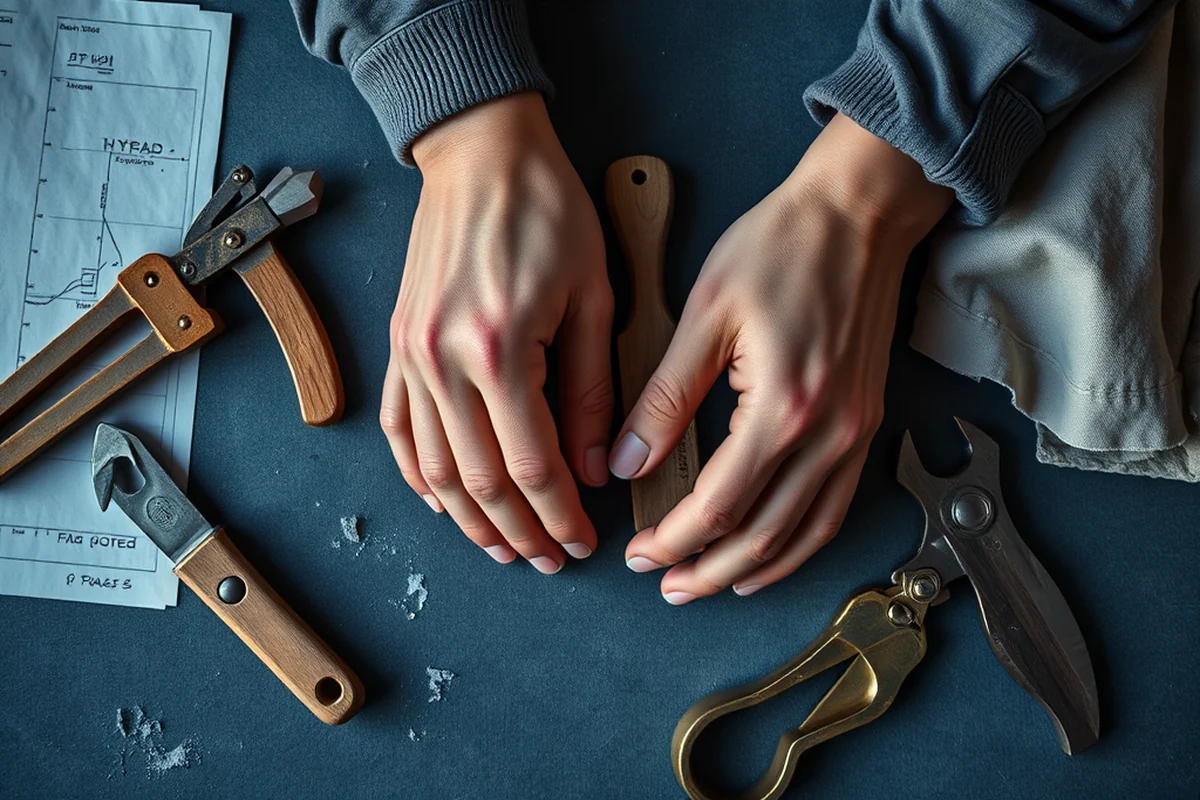
When someone ghosts you, it can leave a lasting impact on your ability to trust others in the future. You might become hesitant to collaborate or work with others, fearing that they’ll disappear again. This can be especially hard in the DIY community, where teamwork is often key to success.
It can also affect your confidence in your own abilities. You might start questioning whether you’re the one who’s at fault for not getting the support you needed. This kind of self-doubt can hold you back from taking on bigger projects or trying new ideas.
The good news is that you can overcome this. It’s important to remind yourself that not everyone will follow through. Some people just aren’t the right fit. The key is to focus on building strong, reliable relationships moving forward.
Why Do People Make Plans and Then Ghost?
Ghosting is not exclusive to guys or even to DIY projects. People in general can and do make plans and then disappear for a variety of reasons. Some may be overwhelmed by the project, while others may be scared of the commitment. Still others might not have the time or the energy to see things through.
In some cases, people ghost because they’re not emotionally invested in the plan. They might have made the plan on a whim, only to later realize they don’t have the time or the interest to follow through. This is especially common when the plan involves other people.
Whatever the reason, the result is the same: a plan that never comes to fruition. The best way to deal with this is to be prepared. Set realistic expectations, and don’t be afraid to walk away if someone isn’t following through.
Expert Tips and Advanced Techniques
One key tip is to always measure twice and cut once, which minimizes errors and saves time in the long run. Advanced woodworkers often use clamps and jigs to ensure precision when assembling complex joints, such as dovetails or mortise and tenon.
Another technique is to invest in high-quality tools that can handle both simple and complex tasks. This includes using a combination square for accurate angles and a router for smooth, professional edges. Knowing how to properly maintain your tools also extends their lifespan and improves performance.
Lastly, advanced DIYers often plan their projects in detail, using CAD software or even 3D modeling to visualize the final product before starting. This allows for adjustments and ensures that all materials and techniques are accounted for from the beginning.
Tools, Materials and Resources
Essential tools include a circular saw, sander, measuring tape, and clamps. For more advanced projects, a table saw or router can be invaluable. High-quality materials like solid wood, MDF, or engineered wood are commonly used depending on the project’s durability and aesthetic requirements.
When sourcing materials, consider buying from local hardware stores or online retailers like Amazon or Rockler. These platforms often offer a wide selection of wood types, finishes, and hardware needed for furniture construction.
In addition to physical tools, online resources such as YouTube tutorials, woodworking forums, and design software can greatly enhance your skills. These resources provide step-by-step guidance, troubleshooting tips, and creative ideas to inspire your next DIY project.
Troubleshooting and Common Questions
One of the most common problems in DIY and furniture projects is misalignment, which can occur due to incorrect measurements or improper assembly. To avoid this, always double-check measurements and use clamps to hold pieces in place while securing them with screws or nails.
Another frequent issue is weak or unstable joints, which can lead to structural failure over time. Using the right type of joint (such as dovetail, mortise and tenon, or pocket hole) and applying sufficient glue or screws can strengthen connections and ensure longevity.
Material warping or splitting is also a common concern, especially with wood. This can be prevented by allowing materials to acclimate to the environment before use, using wood that is properly dried, and applying finishes that protect against moisture and temperature changes.
Getting Started: Your First Steps
Before exploring any DIY or furniture project, it’s essential to do thorough research. Understand the project’s complexity, required materials, and tools. Watching tutorials or reading step-by-step guides can give you a clearer idea of what to expect and help you avoid common pitfalls. This preparation ensures you start with confidence and a solid plan.[2]
Once you’ve done your research, gather all the necessary tools and materials. Make a list of everything you’ll need, including hardware, adhesives, and specialty tools. If you’re new to DIY, it might be wise to invest in quality tools that will last and make your work easier. Having everything ready before you start can prevent delays and frustration.[3]
Setting realistic goals is crucial for long-term success in DIY. Start with a simple project that matches your skill level, and gradually take on more complex tasks as you gain confidence and experience. Celebrate small victories along the way, and remember that every mistake is a learning opportunity. Starting with manageable projects helps build momentum and keeps you motivated.
💰 Budget Build
Use cheaper materials like repurposed wood and basic hardware to keep the cost under $30.
⏱️ Weekend Version
A fast-paced version of the plan that can be completed in just one day with minimal setup.
🪓 Upgraded Finish
Add a custom stain or paint to give your step stool a professional look and feel.
🏠 Small-Space Adaptation
Design a compact step stool that’s perfect for tight corners or small apartments.
🪜 Rental-Safe Option
Build a step stool that’s easy to disassemble and move, making it ideal for renters.
| The mistake | Why it happens | The fix |
|---|---|---|
| Not setting clear expectations from the start. | This can lead to confusion and unfulfilled plans. | Always define roles, timelines, and commitments before starting a project. |
| Overlooking communication. | Without regular check-ins, plans can easily fall through the cracks. | Schedule periodic updates and make sure everyone is on the same page. |
| Not having a backup plan. | If someone ghosts you, you may be left with unfinished work and wasted materials. | Have a contingency plan in place, such as sourcing materials from multiple places. |
| Being too trusting. | Trusting someone who isn’t fully committed can lead to disappointment and wasted time. | Assess the reliability of the people you’re working with before making long-term plans. |
Why Do Guys Make Plans Then Ghost
Common Questions
Why do guys make plans then ghost?
Why do girls make plans then ghost?
Why do people make plans and then ghost?
How can I prevent ghosting in my DIY projects?
Cite this guide
DIY Wooden Step Stool Plans (2026). Why Do Guys Make Plans Then Ghost. https://stoolreach.com/why-do-guys-make-plans-then-ghost/[4]
Feel free to cite or share this guide.
References
- Our Companion, the Holy Ghost - Hugh W. Pinnock - BYU Speeches (speeches.byu.edu)
- The Ghosts of Lubbock - Center for Literary Publishing (coloradoreview.colostate.edu)
- Annual Haunting in the Hills Storytelling Festival (nps.gov)
- Case Study of Recognition Patterns in Haunted People Syndrome (pmc.ncbi.nlm.nih.gov)
- Guys For Dummies | watch out for these types of guys you'll meet on ... (sites.psu.edu)