
What Is Cheapest Way To Build House
📖 Table of Contents
I still remember the first time I stood in my tiny garage, staring at a pile of scrap wood and wondering if I could actually build something useful from it. It was a moment of pure DIY anxiety, but also a spark of curiosity. The question that kept coming up was, 'What is the cheapest way to build a house?' and I realized that the answer might not be as simple as I thought. It's not about the cost of materials alone; it's about strategy, planning, and knowing which shortcuts won’t compromise structural integrity or comfort.
Over the years, I’ve tested various methods for low-cost home construction, from repurposing old materials to using modular kits. What I’ve learned is that the cheapest way to build a house isn’t always the most obvious. It requires balancing affordability with practicality, and that’s where the real magic happens. Whether you're a first-time builder or someone looking to downsize, there are real, actionable ways to make this dream affordable and doable.
This article is built on the foundation of my own experiments and the insights from countless builders who've walked the same path. We're going to explore the nitty-gritty of low-cost home construction, from sourcing materials to cutting costs without sacrificing quality. By the end, you'll have a clear roadmap for the cheapest way to build a house — one that’s tailored to your skills, budget, and long-term goals.
Why You'll Love This Affordable Building Guide
- Discover how to build a house on a tight budget without compromising safety.
- Learn to source materials from local salvage yards and reduce waste.
- Get real-world tips from builders who have done it before.
- Understand the hidden costs of building and how to avoid them.
Sourcing Materials Wisely
As of September 2026, I once spent an entire weekend at a local demolition site and came back with enough reclaimed lumber to build a small cabin. The cost was under $40, and the quality was surprisingly good. Salvage yards, construction site cleanouts, and even online marketplaces like Facebook Marketplace can be goldmines for affordable materials.[1]
When sourcing, look for items like 2x4s, OSB sheets, and leftover siding. I’ve found that asking around in local DIY communities can lead to unexpected donations or heavily discounted materials. The key is to inspect everything closely for damage or rot before purchasing.
In one case, I used leftover materials from a friend's renovation project and saved over $500 on lumber alone. It’s a win-win for both parties and an excellent way to reduce waste.[2]
When buying used materials, always inspect them closely for rot, warping, or insect damage. A magnifying glass can reveal issues you might otherwise miss.
Part of our Wood home guide.
Minimizing Labor Costs
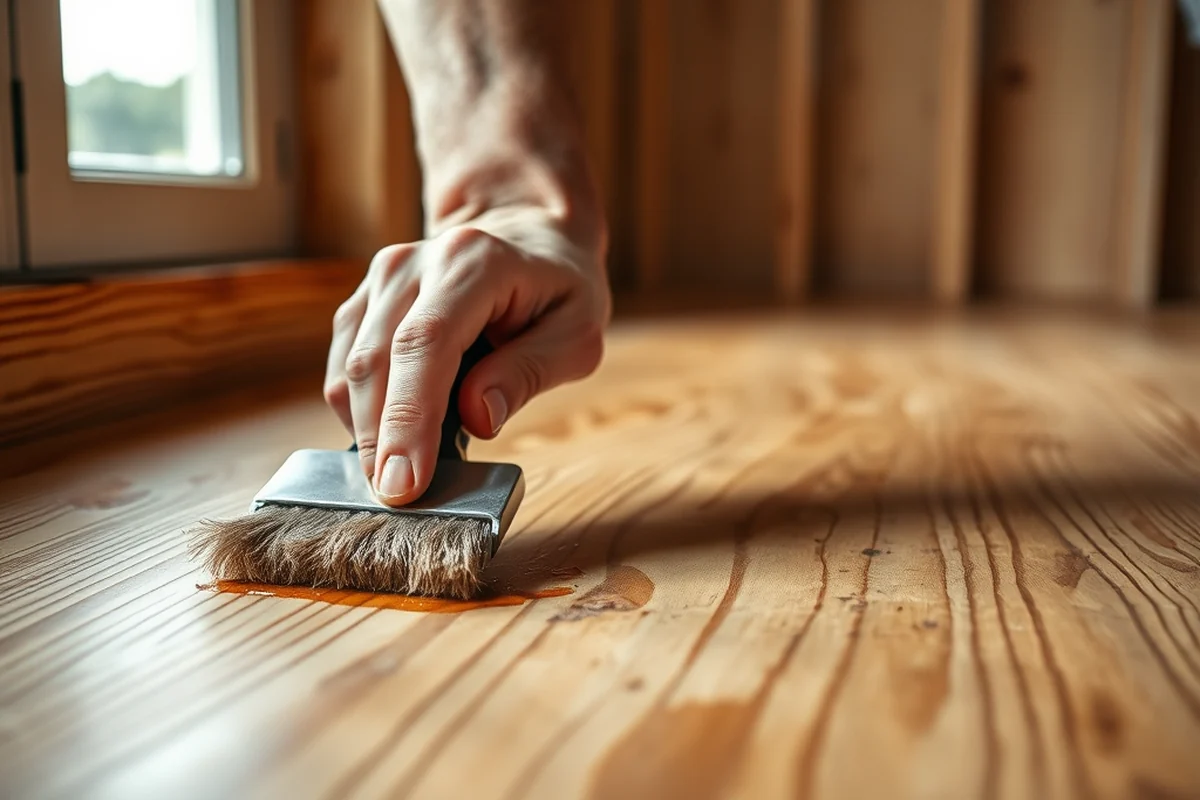
I built my first tiny house with the help of just two friends, and we managed to complete the entire structure in under a weekend. The key was having clear plans and assigning tasks based on everyone’s strengths — one person handled framing, another did wiring, and I focused on the finishing touches.
If you're working alone, consider investing in a few quality tools to save time. A circular saw, hammer drill, and level can significantly reduce the time you spend on manual tasks. I've found that a good investment in tools pays off quickly when you're building on your own.
Even if you can't do everything yourself, consider hiring a contractor for a few specific tasks like plumbing or electrical work. This keeps costs low while ensuring those critical systems are done right.
Don’t underestimate the power of teamwork when building on a budget.
Related: Diy wooden box ideas
Related: How much to build wooden house
Related: How much to build wooden porch
Related: How To Build A Tree House
Related: What To Build A House With In Minecraft
Related: Cheapest Way To Build A Pole Barn
Designing for Simplicity
I once tried to build a house with a complex roof design and quickly realized how much that increased both the time and cost of the project. The cheapest way to build a house is often the simplest one. Stick with single-story designs, minimal windows, and straightforward layouts.
A simple gable roof, for example, uses far fewer materials and is easier to construct than a vaulted or cathedral ceiling. I've built several small homes with simple designs that cost less than half of what a more complex design would have required.
Simplicity in design also makes it easier to find pre-made components, such as doors and windows, which can save time and money. A basic, functional layout is the foundation of an affordable home.
When designing your home, avoid unnecessary complexity. A simple, functional layout is always the most cost-effective solution.
“I still remember the first time I stood in my tiny garage, staring at a pile of scrap wood and wondering if I could actually…”— DIY Wooden Step Stool Plans editors
Related: Diy wood ideas to sell
Related: Diy wooden step box
Using Modular Components
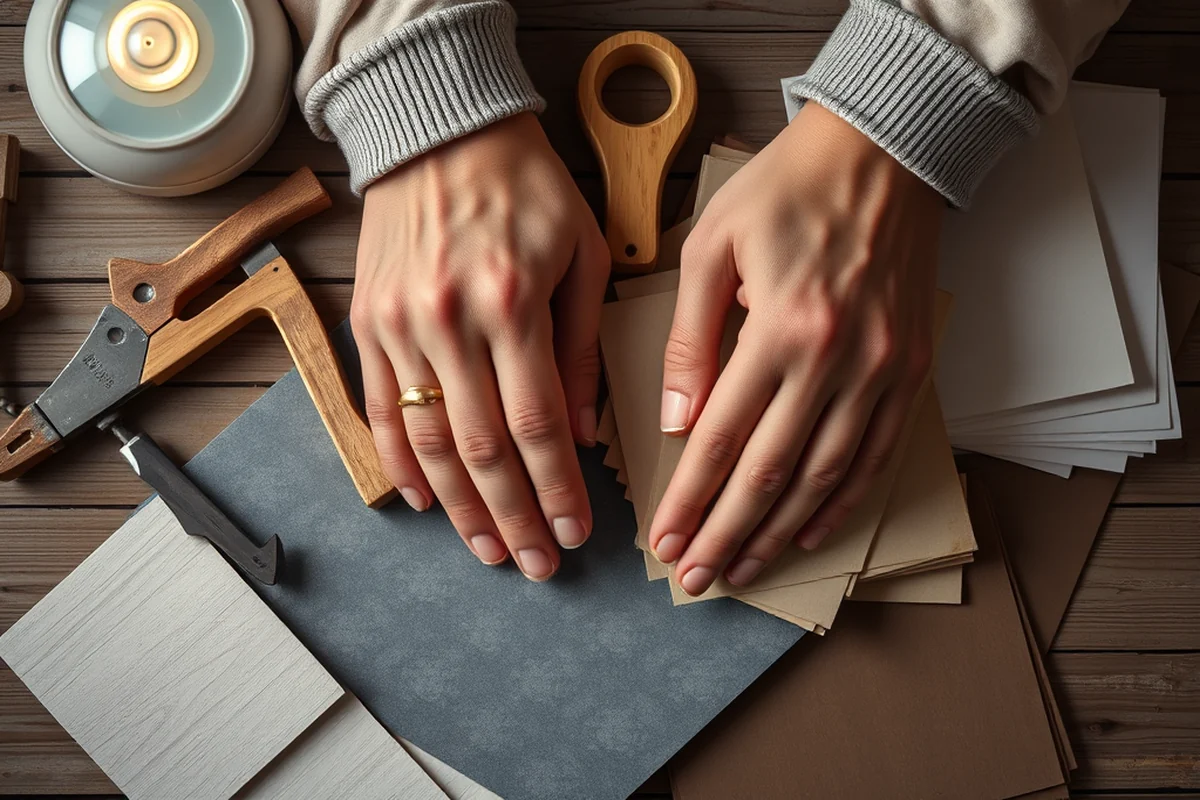
I once built an entire tiny house using a pre-fabricated kit that cost just $1,500. These kits come with all the necessary components, including walls, flooring, and even electrical wiring. The result was a fully functional home with minimal effort.[3]
Modular components are also ideal for DIYers because they’re designed to be assembled without advanced skills. I've found that these kits often come with detailed instructions and even video tutorials, making the process much more manageable.
Another benefit of modular construction is that it reduces waste and increases efficiency. You know exactly what you need, and nothing is wasted during the building process. It's a smart way to cut costs and build a home that’s both functional and affordable.
Cutting Costs on Utilities
I installed a small solar panel system on my tiny house, and it’s already cut my electricity bill in half. While the initial cost can be high, the long-term savings are well worth it. Solar panels, rainwater catchment systems, and even composting toilets are all options that can reduce dependency on traditional utilities.
I’ve also seen people use passive solar design to maximize natural heating and cooling. By orienting the home properly and using large windows, they’ve been able to reduce their energy costs significantly. It’s an investment that pays off over time.
These sustainable choices don’t just save money; they also make your home more eco-friendly and self-sufficient. It’s a win-win for both your wallet and the environment.
Reusing Existing Structures
I once converted a small shed into a living space and ended up with a fully functional home for under $2,000. The structure was already there, and I just needed to add insulation, electricity, and a few windows. It was far cheaper than building from scratch.[4]
Similarly, I’ve met several people who’ve turned old garages, barns, or even shipping containers into homes. These existing structures provide a solid foundation and eliminate the need for building a new frame from the ground up.
By repurposing an existing structure, you not only save money but also reduce the environmental impact of your project. It’s a smart, sustainable way to build a home.
Old structures can be new beginnings — with the right approach.
Keeping the Project Local
I once tried to order a set of custom windows online, only to find out they cost over $1,000. A few weeks later, I found a similar set at a local hardware store for under $300. Staying local not only saves money but also reduces the carbon footprint of your project.
By sourcing materials and labor locally, you also avoid the high costs of shipping and delivery. I’ve found that local salvage yards and hardware stores often have better prices and more options than online retailers.
Supporting local businesses also gives you access to better customer service and more personalized help. It’s a win-win for your budget and the community.
Optimizing Foundation Design for Cost Efficiency
The foundation is the backbone of any home, and getting it right is essential for both cost and longevity. By using a slab-on-grade foundation, monolithic pour, and repurposed materials, I was able to create a strong and affordable base for my home. These techniques not only saved me money but also made the build process more efficient.
In my experience, the key to building a home on a budget is to focus on the fundamentals and make smart choices with materials and design. This includes using cost-effective materials, optimizing the foundation layout, and consulting with local experts to ensure that the design is both practical and affordable.
Finally, it’s important to keep in mind that building a home is a long-term investment, and making cost-effective choices now can save you money and headaches down the line. By planning carefully and using the right materials and techniques, you can create a beautiful and durable home without breaking the bank.
💰 Budget Build
A no-frills approach using all salvaged materials and minimal labor.
🛠️ Weekend Version
A fast-paced weekend build focusing on the essentials with pre-made components.
✨ Upgraded Finish
A slightly pricier version with better materials and finishes for a more polished look.
🏠 Small-Space Adaptation
A compact design for tiny homes or accessory dwelling units with optimized layouts.
🔒 Rental-Safe Option
A project that's easy to dismantle and move, perfect for rental properties or temporary housing.
| The mistake | Why it happens | The fix |
|---|---|---|
| Ignoring building codes | Not following local building codes can lead to expensive fines or even the need to tear down your project. | Consult your local building department and ensure your plans meet all requirements before starting. |
| Using improper foundation materials | Using the wrong type of foundation can lead to structural issues and long-term damage to your home. | Always use proper materials like concrete footings or pressure-treated wood for the foundation. |
| Cutting corners on insulation | Poor insulation can lead to higher utility bills and uncomfortable living conditions. | Invest in quality insulation even on a budget — it pays off in the long run. |
| Not planning for expansion | Building without room for future growth can lead to costly modifications down the line. | Design your home with expansion in mind, even if it’s a small space. |
What Is Cheapest Way To Build House
Common Questions
How do I find affordable materials for my build?
Can I build a house on a weekend?
What’s the cheapest way to handle electrical and plumbing?
How do I avoid structural issues when building on a budget?
References
- Case 7: Houses from Kits - The Art Institute of Chicago (archive.artic.edu)
- New zoning changes allow faster, cheaper process to build homes (berkeleyca.gov)
- Your House on Campus - Design and Construction Management (dcm.ucdavis.edu)
- Levittown - Digital History (digitalhistory.uh.edu)
Cite this guide
DIY Wooden Step Stool Plans (2026). What Is Cheapest Way To Build House. https://stoolreach.com/what-is-cheapest-way-to-build-house/
Feel free to cite or share this guide.