
What Is A Farmhouse Design
📖 Table of Contents
When I first walked into my grandmother's old farmhouse, I was struck by the warmth of the wood, the simplicity of the design. The way the space felt like it had been there for generations. It wasn’t just a house — it was a living testament to the charm of farmhouse design. What is a farmhouse design? It’s not just a style; it’s a way of life that brings together rustic textures, practical functionality, and a deep connection to nature. Whether you're building a new home or renovating an old one, understanding farmhouse design is the key to creating a space that feels both timeless and welcoming.
I remember the first time I tried to recreate that cozy farmhouse feel in my own home — it wasn’t easy. But once I learned the principles behind farmhouse design, like the importance of natural materials, open spaces, and a focus on simplicity, everything clicked into place. What is a farmhouse design? It’s about embracing imperfections, using materials like reclaimed wood and stone, and creating a space that feels lived-in and comfortable rather than overly polished or sterile. It’s a design language that speaks to the heart of rural living and the beauty of simplicity.[1]
As I've spent more time exploring farmhouse design — from building rustic furniture to planning DIY home projects — I've come to appreciate the depth of this style. What is a farmhouse design? It’s not just about the look; it’s about the feeling it evokes. It’s about creating a home that breathes, that feels grounded, and that invites you to slow down and enjoy the simple things in life. If you're looking for a design approach that combines style, comfort, and authenticity, farmhouse design is a perfect match for your DIY and furniture projects.
Why You'll Love This Farmhouse Design
- Timeless appeal that never goes out of style
- Easy to adapt for different spaces and budgets
- Creates a warm, inviting atmosphere in any home
- Encourages the use of sustainable and natural materials
What Defines Farmhouse Design
As of September 2026, at its core, farmhouse design is about creating a space that feels warm, welcoming, and connected to the natural world. This style often features elements like wooden beams, exposed brick, and stone flooring, all of which contribute to a sense of rustic charm. Whether you're building a new home or renovating an older one, understanding these key elements is essential to capturing the essence of farmhouse design.
One of the most defining aspects of farmhouse design is the use of natural, unpolished materials. Think raw wood, weathered metal, and stone. These materials not only add texture and depth to a space but also help create an atmosphere that feels authentic and lived-in. I've found that incorporating these elements into DIY furniture and home decor projects can transform a space in a way that feels both modern and timeless.
Another key feature of farmhouse design is the emphasis on open, functional spaces. This style often avoids excessive ornamentation in favor of clean lines and practicality. Whether you're designing a kitchen, a living room, or a bedroom, focusing on simplicity and utility can help you achieve the classic farmhouse look while ensuring your space is both comfortable and practical.
When working on a DIY project, look for materials like reclaimed wood, stone, or untreated metal. These materials add a rustic feel and help you achieve that authentic farmhouse look. I always recommend sourcing materials locally to ensure quality and affordability.
Part of our Wood home guide.
Color Palette and Textures
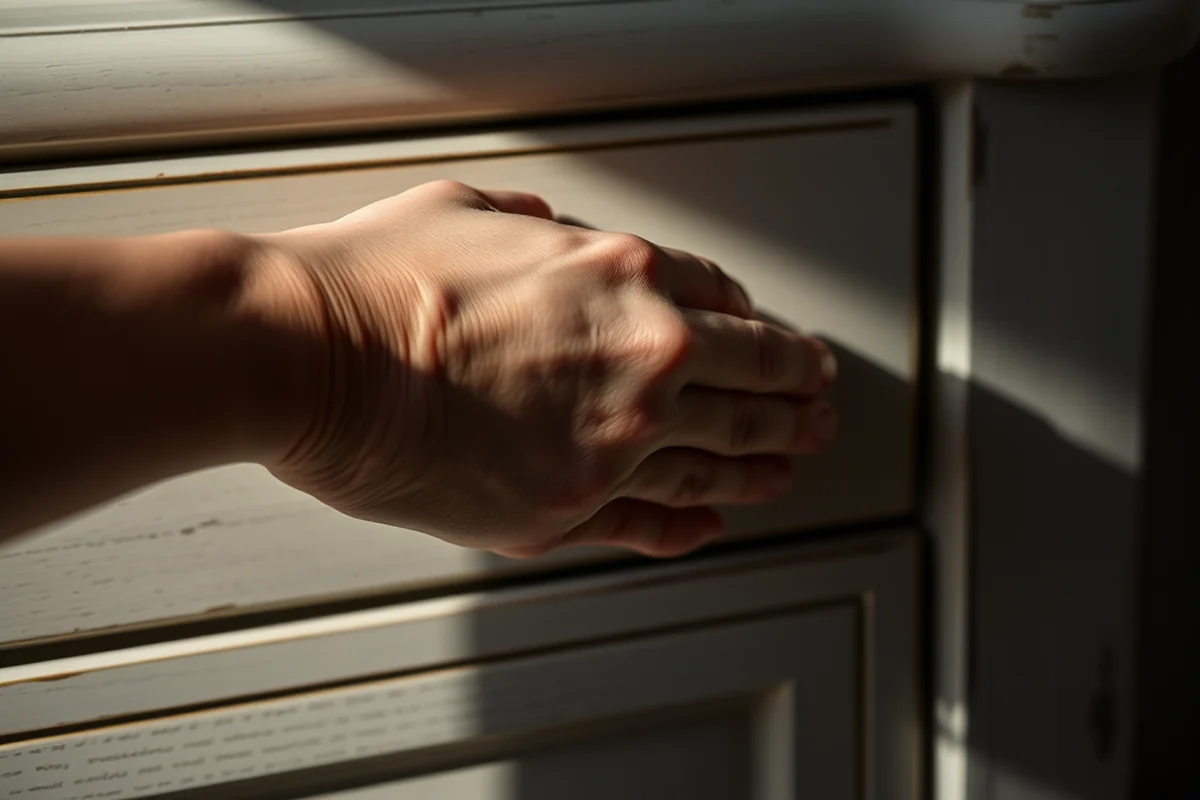
Color is a crucial element in farmhouse design. Think soft whites, warm greiges, and muted earth tones. These colors help create a sense of calm and timelessness in a space. When I was renovating my own home, I found that using a muted color palette helped bring out the natural textures of the wood and stone, enhancing the overall aesthetic.
Texture plays just as important a role as color in farmhouse design. Mixing different materials like wood, metal, and wool can add depth and visual interest to a space. I've noticed that spaces with a variety of textures feel more inviting and have a more authentic, lived-in look. This is especially important when working on DIY furniture and home decor projects.
The key to achieving a successful farmhouse design is to balance texture and color in a way that feels natural and unforced. Avoid overly bright or bold colors and instead go for hues that complement the natural materials you're using. This approach not only enhances the visual appeal of the space but also helps create a sense of harmony and balance.
Less is more — and that’s the beauty of farmhouse design.
Related: Diy cheap wood shelves
Functional Furniture and Practicality
One of the most important aspects of farmhouse design is the focus on functional furniture. This style often features pieces that are both beautiful and practical, such as sturdy wooden tables, rustic benches, and storage solutions. When I was building my own furniture, I found that focusing on functionality helped me create pieces that were not only stylish but also highly usable in everyday life.
In farmhouse design, furniture is often made from natural materials like wood and metal, and the pieces tend to have a more rugged, handcrafted look. This not only adds to the rustic charm of the space but also ensures that the furniture is durable and long-lasting. I've found that investing in quality, functional furniture is one of the best ways to achieve the farmhouse look while ensuring your space is both comfortable and practical.
When working on DIY furniture projects, it's important to prioritize functionality without sacrificing style. Look for designs that are both aesthetically pleasing and practical. Whether you're building a kitchen table or a bench, choosing the right materials and design elements can help you achieve a look that feels both rustic and modern.
When selecting or building furniture for a farmhouse design, always consider how the piece will be used in daily life. A functional piece not only looks great but also adds value and convenience to your space. I always recommend testing out furniture in your home before finalizing the design to ensure it meets your needs.[2]
“When I first walked into my grandmother's old farmhouse, I was struck by the warmth of the wood, the simplicity of the design, and the…”— DIY Wooden Step Stool Plans editors
Related: How much to build wooden shed
Lighting and Natural Elements
Lighting plays a crucial role in farmhouse design. The use of natural light is often emphasized, with large windows and open floor plans helping to create a sense of brightness and openness. When I was renovating my home, I made sure to maximize natural light by using sheer curtains and strategically placing furniture to allow as much light as possible into the space.
In addition to natural light, farmhouse design often features rustic lighting fixtures like wrought iron chandeliers, pendant lights, and lantern-style lamps. These fixtures not only add a decorative element to the space but also help create a warm, inviting atmosphere. I've found that using lighting fixtures with a rustic look can help tie together different elements of the design and add a touch of authenticity to the space.
When working on DIY lighting projects, it's important to choose fixtures that complement the overall design. Look for pieces that have a handcrafted or vintage feel, and consider using natural materials like wood or metal. These elements can help you achieve a look that feels both timeless and authentic.
Related: How much to build wooden porch
Textile and Decor Elements
Textiles play a key role in farmhouse design, adding warmth and texture to a space. Think woven baskets, cozy blankets, and natural fibers like cotton and wool. When I was decorating my home, I found that using textiles with a rustic feel helped enhance the overall aesthetic and create a more inviting atmosphere.
Decor elements in farmhouse design often include vintage pieces, such as old farm tools, rustic signs, and handmade crafts. These items add character and a sense of history to a space. I've noticed that incorporating vintage decor can help create a look that feels both timeless and authentic, especially when working on DIY home projects.
When selecting textiles and decor for a farmhouse design, it's important to focus on quality and authenticity. Look for items that have a natural, handmade feel, and avoid overly modern or synthetic materials. These choices not only enhance the visual appeal of the space but also help create a sense of comfort and warmth.
Related: How much to build wooden house
Sustainability and Natural Materials
One of the key aspects of farmhouse design is its emphasis on sustainability and the use of natural, eco-friendly materials. This style often features pieces made from reclaimed wood, natural stone, and other environmentally friendly materials. When I was building my own furniture, I found that using reclaimed wood not only added a rustic charm to the space but also helped reduce waste and promote sustainability.
In addition to using natural materials, farmhouse design often incorporates elements that are designed to last. This includes furniture that is built to be durable and functional, as well as decor that is meant to be used and appreciated over time. I've found that focusing on sustainability and quality helps create a space that not only looks great but also has a lasting impact on the environment.
When working on DIY projects, it's important to consider the environmental impact of the materials you're using. Look for options that are sustainable, recyclable, and made from natural resources. These choices not only help create a more eco-friendly space but also support a design approach that values both aesthetics and responsibility.
Sustainable living is at the heart of farmhouse design.
Related: Diy wooden box ideas
Creating a Farmhouse Atmosphere in Any Space
One of the most appealing aspects of farmhouse design is its versatility. Whether you're working with a small apartment or a large home, this style can be adapted to suit your needs and create a warm, inviting atmosphere. I've found that even in smaller spaces, incorporating farmhouse elements like rustic furniture and natural materials can help create a sense of comfort and authenticity.
When working on a DIY project, it's important to think about how the design can be adapted to your specific space. Whether you're building a piece of furniture or renovating a room, focusing on the key elements of farmhouse design — like natural materials, open spaces. A focus on functionality — can help you achieve the look you're going for.
By using the principles of farmhouse design, you can create a space that feels both timeless and modern. This approach not only enhances the visual appeal of the space but also ensures that it's comfortable and practical for everyday living.
💰 Budget Build
Create a farmhouse-inspired space with affordable materials and simple DIY techniques, perfect for those just starting out.
⏰ Weekend Version
A quick and easy farmhouse project that can be completed in just one weekend, ideal for those with limited time.
✨ Upgraded Finish
Enhance your farmhouse design with high-quality finishes and premium materials for a more refined look.
🛋️ Small-Space Adaptation
Tailor farmhouse design elements to fit small spaces, using clever storage solutions and compact furniture.
🏠 Rental-Safe Option
Create a farmhouse-inspired space without making permanent changes, using removable decor and temporary fixtures.
| The mistake | Why it happens | The fix |
|---|---|---|
| Overusing bright colors that clash with natural materials | Bright colors can overwhelm the rustic charm and create a disjointed look in a farmhouse space. | Stick to a muted color palette and use natural materials to create a cohesive and authentic design. |
| Choosing overly modern furniture that doesn't match the farmhouse aesthetic | Modern furniture can clash with the rustic and functional elements of farmhouse design, making the space feel inauthentic. | Opt for furniture with a rustic or handcrafted look to ensure it complements the overall farmhouse style. |
| Neglecting the importance of natural light in farmhouse design | Natural light is a key element in farmhouse design, and neglecting it can make a space feel dark and closed off. | Maximize natural light by using sheer curtains, large windows, and open floor plans to create a bright and welcoming space. |
| Ignoring the importance of functionality in farmhouse furniture | Farmhouse design is all about functionality, and ignoring this can lead to uncomfortable or impractical furniture choices. | Prioritize furniture that is both beautiful and practical, ensuring it meets the needs of everyday life. |
What Is A Farmhouse Design
Common Questions
What are the key elements of farmhouse design?
Can farmhouse design be adapted to small spaces?
What are some common materials used in farmhouse design?
How can I create a farmhouse look on a budget?
References
- Exploration Systems Exterior Lighting Design Guidance (ntrs.nasa.gov)
- Historic Resource Design Guidelines | City of Santa Barbara (santabarbaraca.gov)
Cite this guide
DIY Wooden Step Stool Plans (2026). What Is A Farmhouse Design. https://stoolreach.com/what-is-a-farmhouse-design/
Feel free to cite or share this guide.