
DIY Wooden Toys for Kids: Choosing Designs and Creating Safe Play
📖 Table of Contents
- Why Choose DIY Wooden Toys for Kids
- How to Get Started with DIY Wooden Toys for Kids
- Choosing the Right Design for Your Child
- Finishing Touches for Long-Lasting Toys
- Storing and Maintaining Your Wooden Toys
- Inspiration and Ideas for DIY Wooden Toys for Kids
- The Joy of Building with Your Child
- Make It Your Way
- Frequently Asked Questions
The first time my son used the wooden train I built, his eyes lit up like a thousand tiny fireworks — and I knew I'd stumbled onto something magic. Crafting DIY wooden toys for kids isn't just about saving money; it's about giving your child something that feels real, something they can touch, tinker with, and maybe even pass down. It's also about the little victories, like watching your child's face light up when they figure out how to make the blocks stack just right. (48%, pmc.ncbi.nlm.nih.gov)[1]
I remember spending a weekend in my garage with just a few tools and a pile of scrap wood. By the end of it, I had a set of wooden puzzles that my daughter loved more than any store-bought toy. The smell of sawdust, the satisfying click of a properly fitted joint, and the way the wood felt smooth after sanding — these are the things that make DIY wooden toys for kids so special. It's not just about the end result; it's about the process, the learning, and the connection.
What started as a simple idea to make a few blocks for my toddler quickly turned into a full-blown passion for crafting DIY wooden toys for kids. I found myself experimenting with different shapes, sizes, and finishes, always aiming for something safe, durable, and just a little bit magical. These toys aren't just for play — they're heirlooms in the making, and that's a feeling you can't buy at any store.
Why You'll Love This Craft
- Custom-made, perfectly sized for your child's development stage
- Safe, durable, and built to last for years
- A creative outlet that brings the whole family together
- A way to reduce clutter with purpose-built playthings
Why Choose DIY Wooden Toys for Kids
As of November 2026, when you build a toy yourself, you're in control of every detail — from the size of the pieces to the type of wood used. This means you can tailor the toys to your child's developmental stage and interests. For example, my son loved the way the wooden blocks I made were slightly heavier than store-bought ones, giving him a better sense of balance and weight.
Wooden toys are naturally safer than plastic ones, especially for younger children. I've noticed that the smooth, rounded edges and lack of toxic paint or small parts make them a much better option for kids who like to mouth their toys. Plus, the tactile experience of wood — the way it feels under a child’s fingers — is just different, in a good way.
DIY wooden toys for kids are also far more durable. I've had some of my own handmade puzzles and blocks for over five years now, and they're still in perfect condition. That kind of lasting quality is hard to find in most store-bought toys, which often break or wear down after just a few months.
I always go with maple or birch for DIY wooden toys for kids. They're durable, easy to work with, and have a smooth finish after sanding. Avoid softwoods like pine because they can splinter and are more prone to wear.
Part of our Can wooden guide.
How to Get Started with DIY Wooden Toys for Kids
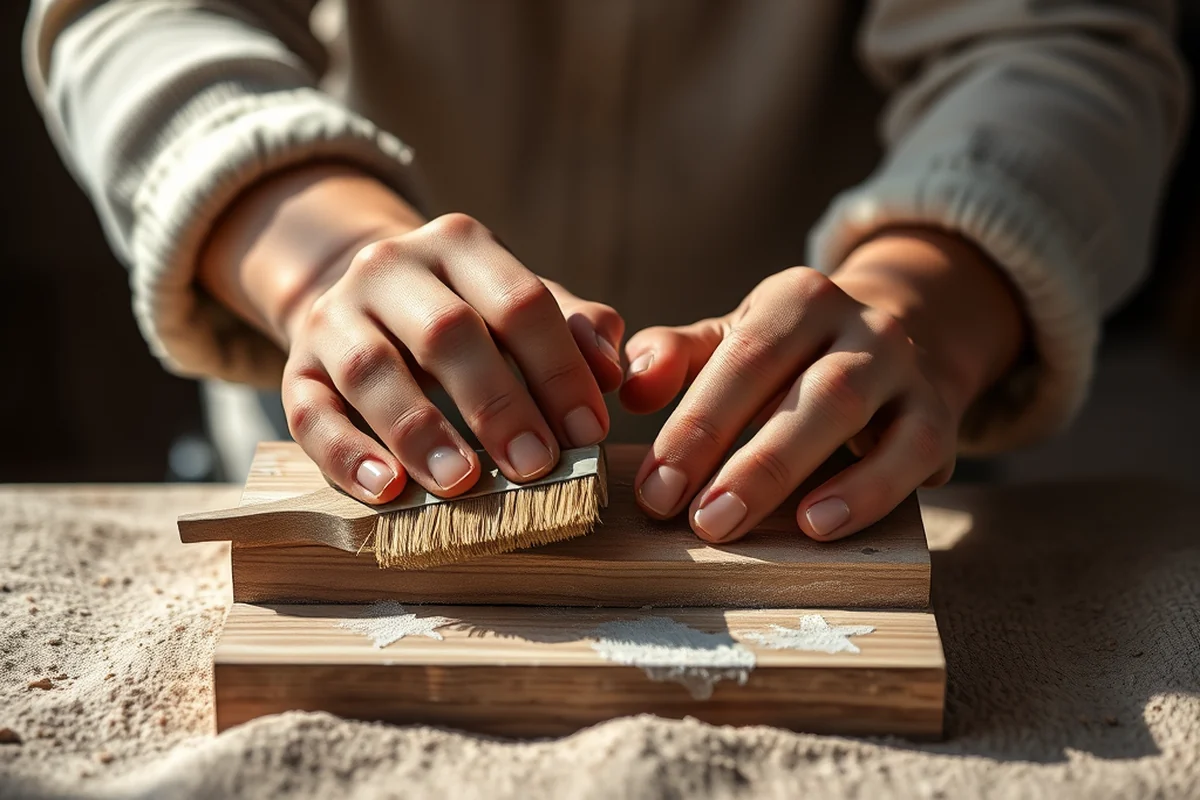
To begin, I recommend gathering a few essential tools: a miter saw for cutting precise angles, a belt sander for smoothing edges, and a hand drill for adding holes or attaching parts. I also keep a set of chisels handy for more intricate detailing. These tools are all you really need to get started with most wooden toy projects.
Next, plan your toy. I often sketch out a rough design or use a template found online. For my first project, I used a simple block puzzle design that I found on a DIY woodworking forum. I adjusted the measurements so the pieces were just right for my toddler's small hands. Planning in advance helps avoid mistakes and saves time.
Once you have your plan and tools, you're ready to start cutting and assembling. I usually start with the largest pieces first and work my way down. It’s important to take your time and double-check each measurement — a small mistake can throw off the whole project.
A little planning goes a long way in making perfect DIY wooden toys for kids.
Related: Diy wooden small house
Choosing the Right Design for Your Child
For toddlers, I focus on simple shapes and large pieces that are easy to grasp and manipulate. My daughter loved my first set of wooden puzzles because each piece was oversized and had rounded edges. It was clear she was ready for them, and it made playtime safer and more enjoyable for her.
Older children might enjoy more complex designs, like wooden trains or vehicles that can be moved around the house. I built a small wooden train set with wheels and tracks for my son, and it became one of his favorite projects. The satisfaction of watching him roll the train around the room was worth every hour I spent building it.
It's also worth thinking about the educational value of the toys. I made a set of wooden counting blocks that helped my son learn numbers and basic math. He still uses them today, and it's amazing how much learning can happen through play.
I always make sure the edges of the wooden toys I build are perfectly smooth, and I avoid any sharp corners or protrusions. I also paint them using non-toxic, child-safe paints to ensure they're safe for little hands. This attention to detail is what makes DIY wooden toys for kids so special.
“The first time my son used the wooden train I built, his eyes lit up like a thousand tiny fireworks — and I knew I'd…”— DIY Wooden Step Stool Plans editors
Related: Diy plans for shed
Finishing Touches for Long-Lasting Toys
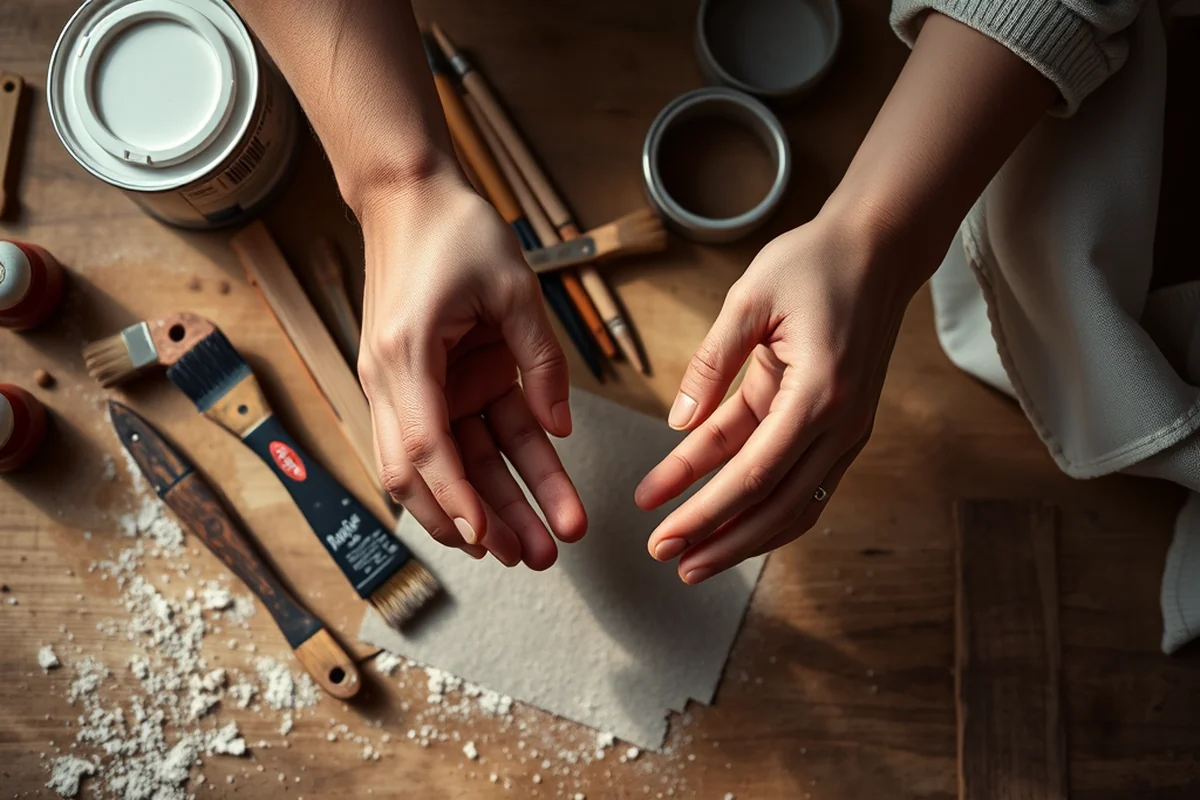
After sanding the wood to a smooth finish, I apply a few coats of wood sealer. This helps protect the toys from moisture and wear, especially if they're going to be used regularly. I've found that using a water-based sealer with a matte finish works best because it doesn’t add a glossy, slippery texture that can be a hazard.
I also like to add a light coat of beeswax or wood oil after the sealer dries. This gives the wood a nice sheen and helps preserve its natural grain. It's a small step, but it makes a big difference in how the toys look and feel.
Once the finish is dry, I label each toy with the child's name using a permanent marker. This is especially helpful if you have multiple kids or are building toys to give as gifts. It adds a personal touch that makes the toys feel even more special.
Related: Diy easy wooden bench
Storing and Maintaining Your Wooden Toys
I store my wooden toys in a cool, dry place to prevent warping or cracking over time. I use labeled bins for different types of toys, which makes it easy to find what I need and keep things organized. It also helps my kids learn how to put things away themselves.
To clean the toys, I simply wipe them with a damp cloth and dry them thoroughly. I avoid using harsh chemicals or excessive water, which can damage the wood or remove the finish. For tougher stains, I use a mild soap and water solution.
I also take time to inspect the toys regularly for signs of wear or damage. If I notice any loose joints or cracks, I fix them right away to prevent the toy from breaking completely. A little maintenance goes a long way in keeping your DIY wooden toys for kids in great shape.
Related: Diy wooden jack
Inspiration and Ideas for DIY Wooden Toys for Kids
One of my favorite ideas is making a set of wooden nesting cups or stacking rings. They’re simple to build and perfect for developing hand-eye coordination and fine motor skills. I used a jigsaw to cut out the circles and rounded the edges to make them safe for little hands.
Another idea is building a wooden balance game, like a teeter-totter or a balance board. I used a piece of wood for the base and added some small wooden pieces that the child can move around to keep the board balanced. It was a great way for my kids to learn about physics while having fun.
For older kids, I recommend trying to build a wooden train track or a small wooden car. These projects are more involved but offer a great sense of accomplishment once completed. I built a small wooden train with wheels and a track, and it became one of my son’s favorite toys.[2]
A little creativity can turn simple wood into hours of playtime.
Related: How much to diy hardwood floors
The Joy of Building with Your Child
I've found that letting my kids help with simple parts of the project — like painting or gluing — makes the experience even more special. They love seeing their own fingerprints on the toys they play with, and it gives them a sense of pride and ownership.
Working on a project together also teaches them about patience, problem-solving, and craftsmanship. My daughter learned how to use a glue stick and how to hold a piece in place while it dries. It was a small lesson in responsibility and care.
Most importantly, it's a way to spend quality time with your child. I've created some of my best memories with my kids while we were building toys together. The laughter, the shared frustration when a piece didn't fit, and the joy of seeing the finished project — all of it is worth it.
💰 Budget Build
Use scrap wood and basic tools to create simple toys that are both cost-effective and educational.
⏰ Weekend Version
Focus on quick, easy projects that can be completed in a single day without sacrificing quality or fun.
✨ Upgraded Finish
Add a professional look with high-quality stains, oils, and decorative details for a more polished toy.
🏠 Small-Space Adaptation
Create compact, wall-mounted toys that are perfect for smaller homes or nurseries.
📦 Rental-Safe Option
Build lightweight, disassemblable toys that are easy to move and store, ideal for rental homes or temporary living situations.
| The mistake | Why it happens | The fix |
|---|---|---|
| Using the wrong type of wood | Softwoods like pine can splinter and are not as durable, which can lead to safety issues and shorter toy life. | Stick to hardwoods like maple or birch for better durability and safety. |
| Skipping the sanding step | Rough edges can be a hazard for young children and may cause splinters or cuts. | Always sand your toys thoroughly after cutting and before applying any finish. |
| Using toxic paints or finishes | Many commercial paints and finishes can be harmful if ingested or inhaled, especially by young children. | Use non-toxic, child-safe paints and wood sealers that are specifically designed for use with children. |
| Ignoring the importance of maintenance | Neglecting to clean or inspect your toys can lead to damage, wear, or even safety issues over time. | Regularly clean, inspect, and maintain your toys to ensure they remain in good condition. |
Diy Wooden Toys For Kids
Common Questions
What kind of wood is best for DIY wooden toys for kids?
Do I need any special tools to build DIY wooden toys for kids?
How long does it take to build a toy?
Are DIY wooden toys for kids safer than store-bought ones?
References
- Children's Utilization of Toys is Moderated by Age-Appropriateness ... (pmc.ncbi.nlm.nih.gov)
- Library of Things | City of Virginia Beach (libraries.virginiabeach.gov)
Cite this guide
DIY Wooden Step Stool Plans (2026). DIY Wooden Toys for Kids: Choosing Designs and Creating Safe Play. https://stoolreach.com/diy-wooden-toys-for-kids/
Feel free to cite or share this guide.