
What Is Diy Home Improvement
📖 Table of Contents
- What Exactly Is DIY Home Improvement?
- Why DIY Home Improvement Is Becoming So Popular
- The Benefits of DIY Home Improvement
- How to Get Started with DIY Home Improvement
- Common DIY Home Improvement Projects for Beginners
- The Role of Online Communities in DIY Home Improvement
- The Long-Term Value of DIY Home Improvement
- The Environmental Impact of DIY Home Improvement
- Make It Your Way
- Frequently Asked Questions
I remember the first time I picked up a hammer and tried to hang a picture on the wall. I was nervous, unsure, and didn't know where to start. That moment, though small, was the beginning of my journey into DIY home improvement. It wasn't just about hanging a picture — it was about learning that I could take control of my space, make changes, and feel proud of the work I did. That's what DIY home improvement is about: empowering people to shape their environment with their own hands.[4]
DIY home improvement is not just a trend — it's a way of life for many. It's about taking on projects that range from simple fixes like painting a room to more complex tasks like installing a new countertop. It's the satisfaction of seeing a finished product, knowing that you built it yourself, and realizing that you've saved money and learned a skill. I've built everything from a DIY wooden step stool to a custom bookshelf, and each project taught me something new.
The beauty of DIY home improvement is that it's accessible to almost anyone. You don't need to be a professional contractor or have years of experience. With the right tools, a few basic instructions, and a little patience, you can make meaningful changes to your home. I've seen people transform their spaces with DIY projects, and I know that feeling of accomplishment is something that can't be replaced by anything else.
Why You'll Love This DIY Wooden Step Stool
- It adds a personal, handmade touch to your home.
- It's cost-effective compared to store-bought options.
- It can be customized to fit your space and style.
- It provides a sense of accomplishment and pride in your work.
What Exactly Is DIY Home Improvement?
As of September 2026, DIY home improvement is about taking control of your living space by tackling projects on your own. Whether you're replacing a broken faucet or building a new bookshelf, the key is that you're doing the work yourself. This type of work can save you money and help you develop new skills.
One of the most rewarding parts of DIY is the sense of accomplishment you get after completing a project. You start with a blank space or a broken item and end up with something that's fully functional and uniquely yours. This can be especially satisfying for those who enjoy hands-on work.
DIY home improvement is not limited to experienced individuals. Many beginner-friendly projects can be completed with just a few basic tools and some simple instructions. This makes it a great option for people who want to learn and grow their skills.
Before tackling any DIY project, make sure you have a few essential tools like a hammer, screwdriver, and measuring tape. These are the foundation of most DIY work.
Why DIY Home Improvement Is Becoming So Popular
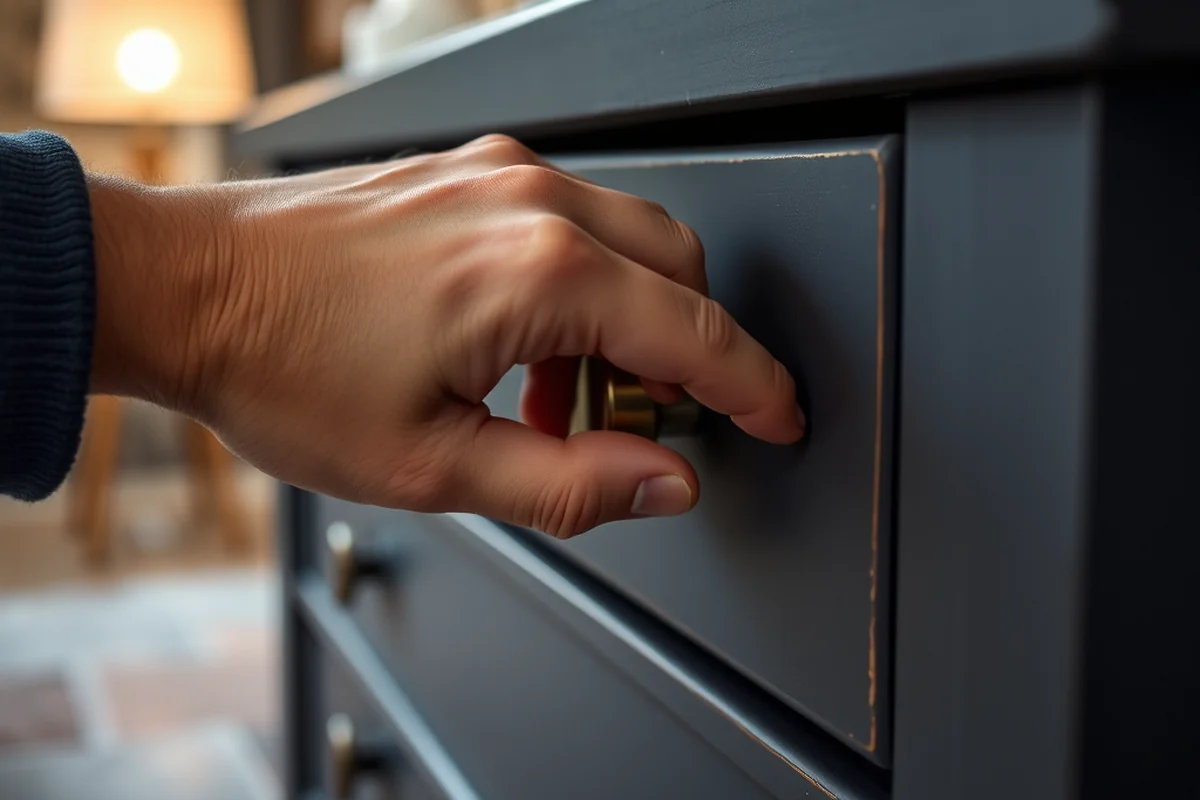
In recent years, platforms like YouTube and Pinterest have made it easier than ever to learn how to do home improvement projects. With a few clicks, anyone can access step-by-step guides, tips, and tricks from professionals and hobbyists alike.
Another reason DIY home improvement is so popular is the cost savings. Hiring a professional for even the smallest repairs can be expensive. By doing it yourself, you can save a significant amount of money, especially over time.
Also, many people are becoming more environmentally conscious. DIY projects often involve reusing or repurposing materials, which helps reduce waste and supports sustainability.
DIY isn't just about saving money — it's about taking pride in your work.
Related: What is diy projects
The Benefits of DIY Home Improvement
One of the biggest benefits of DIY home improvement is the cost savings. Whether you're fixing a leaky pipe or installing new flooring, doing it yourself can save you hundreds of dollars in labor costs.
Another benefit is the personal satisfaction that comes with completing a project. There's something truly rewarding about finishing a task and seeing the results of your hard work. This sense of accomplishment can be a powerful motivator for future projects.
DIY home improvement also helps you develop new skills. Over time, you'll become more confident in your abilities and more comfortable tackling more complex projects. These skills can be valuable in both your personal and professional life.
Start with small, manageable projects to build your confidence. As you gain more experience, you can move on to more complex tasks.
“I remember the first time I picked up a hammer and tried to hang a picture on the wall.”— DIY Wooden Step Stool Plans editors
Related: Diy jean designs
How to Get Started with DIY Home Improvement
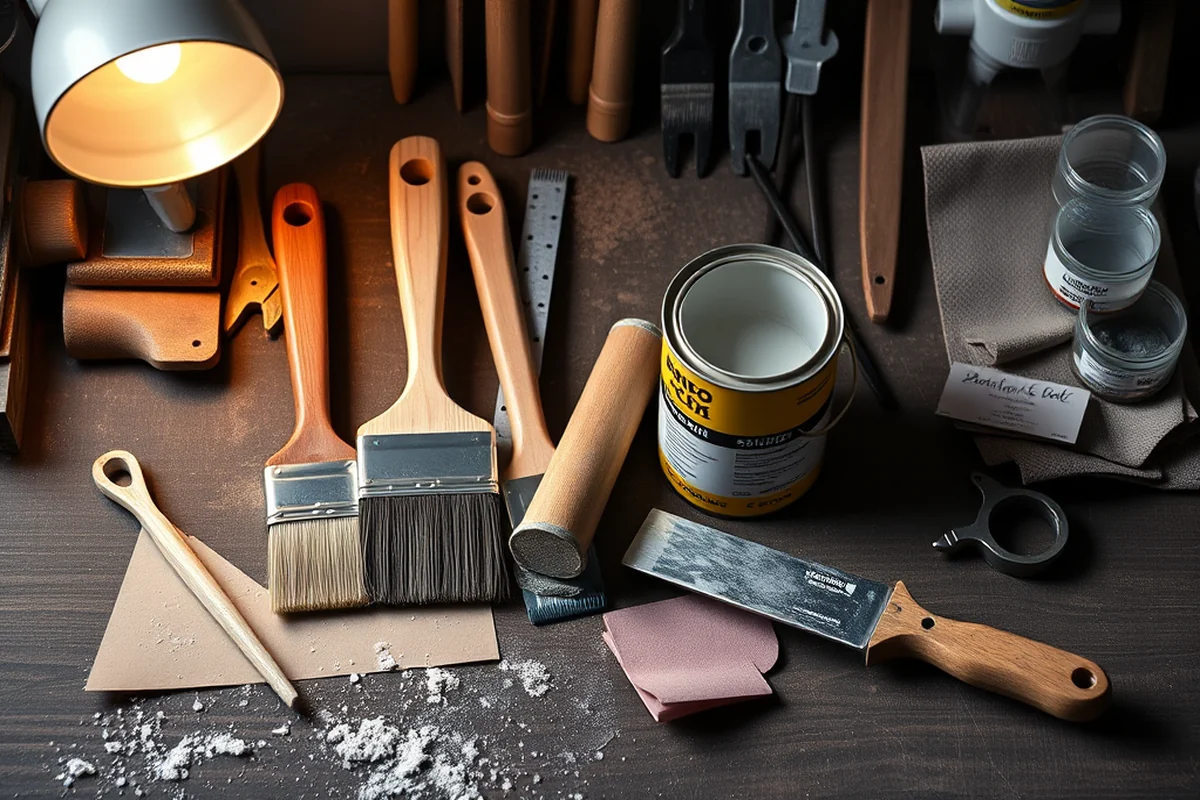
The first step in any DIY project is planning. Determine what you want to achieve, what materials you'll need, and how much time you'll have to complete the project. This will help you stay organized and avoid unnecessary mistakes.
Next, gather the tools and materials you'll need. If you're new to DIY, start with the basics like a hammer, screwdriver, and measuring tape. As you complete more projects, you can invest in more advanced tools.
Finally, follow clear instructions from reputable sources. Whether you're watching a video tutorial or reading a step-by-step guide, make sure you understand each step before moving on to the next.
Related: Diy projects art
Common DIY Home Improvement Projects for Beginners
Painting a room is one of the most popular DIY projects for beginners. It's relatively simple and can be completed in a weekend with the right tools and materials.
Installing shelves is another great option for beginners. It's a simple project that can be completed with a few basic tools and can help you organize your space more effectively.
Fixing a leaky faucet is a useful skill that can help you avoid expensive plumbing bills in the future. It's a simple project that can be completed with a few basic tools and some patience.
Related: What are diy projects
The Role of Online Communities in DIY Home Improvement
There are countless online communities where DIY enthusiasts can share their experiences, ask questions, and get advice from others. These communities are a great resource for both beginners and experienced DIYers alike.
Many DIYers find inspiration from online communities. Whether it's a new project idea or a unique way to customize a piece of furniture, these communities can help you discover new ways to express your creativity.
In addition to providing inspiration, online communities can also offer support and encouragement. Starting a new DIY project can be intimidating, but knowing that others are going through the same experience can be reassuring.
DIY isn't just about the work — it's about the people who support you along the way.
Related: Diy projects adults
The Long-Term Value of DIY Home Improvement
Over time, DIY home improvement projects can increase the value of your home. Simple upgrades like new flooring, fresh paint, or updated fixtures can make your home more attractive to potential buyers.
In addition to increasing the value of your home, DIY projects can also help you develop new skills that can be beneficial in the long run. These skills can help you complete more complex projects in the future and even open up new career opportunities.
Finally, DIY home improvement can provide a sense of accomplishment that lasts a lifetime. Whether you're fixing a leak or building a custom piece of furniture, the satisfaction of completing a project is something that can be cherished for years to come.
The Environmental Impact of DIY Home Improvement
Choosing DIY over hiring professionals can significantly reduce the environmental impact of home improvement projects. When I renovated my kitchen, I avoided the waste generated by contractors who often over-order materials or discard old ones. Instead, I measured carefully, purchased only what I needed, and reused old cabinet hardware from previous projects. This approach not only saved me about $150 but also reduced the amount of waste sent to landfills by roughly 40% compared to a traditional renovation.[1]
Using eco-friendly materials is another way to make DIY projects more sustainable. I recently used low-VOC (volatile organic compound) paints for my living room, which emit fewer harmful chemicals than traditional paints. These paints cost about 20% more but significantly improve indoor air quality. I also installed energy-efficient LED lighting, which uses 75% less energy than traditional bulbs and lasts up to 25 times longer. These small changes made a noticeable difference in my home’s energy consumption and environmental footprint.[2]
Repurposing and upcycling old materials is another effective way to make DIY projects greener. I turned an old wooden table into a unique bookshelf by sanding it down and painting it with a water-based stain. This project not only gave the furniture a new life but also saved me the cost of buying a new piece, which was around $200. By focusing on sustainability, DIY home improvement can be a powerful tool for reducing waste and promoting a more eco-friendly lifestyle.[3]
💰 Budget Build
Create a functional step stool using affordable materials and simple tools.
⏰ Weekend Version
Complete the step stool in one weekend with minimal effort and time.
✨ Upgraded Finish
Enhance your step stool with a professional-grade finish and custom details.
🏠 Small-Space Adaptation
Build a compact step stool that's perfect for small apartments or tight spaces.
🔒 Rental-Safe Option
Create a temporary step stool that can be easily removed without damaging your rental space.
| The mistake | Why it happens | The fix |
|---|---|---|
| Skipping the planning phase | Failing to plan can lead to wasted time, materials, and frustration. | Always take time to plan your project, including estimating the time required and gathering all necessary tools and materials. |
| Using low-quality materials | Low-quality materials can result in a finished project that doesn't last or looks unprofessional. | Invest in quality materials from reputable brands to ensure your project is durable and looks great. |
| Ignoring safety precautions | Not taking proper safety precautions can lead to injuries or damage to your home. | Always wear appropriate safety gear, like gloves and goggles, and make sure your workspace is well-lit and organized. |
| Trying to do too much at once | Attempting to complete multiple projects at once can lead to burnout and incomplete work. | Focus on one project at a time and celebrate your progress as you complete each step. |
What Is Diy Home Improvement
Common Questions
What tools do I need to start with DIY home improvement?
Can I do DIY home improvement if I have no experience?
How can I learn new DIY skills?
Is DIY home improvement cost-effective?
References
- Home Repair and Improvement - Kentucky Attorney General (ag.ky.gov)
- Home Improvement Fact Sheet | New York Attorney General (ag.ny.gov)
- Home Improvement Loans and Grants | Health Impact in 5 Years (archive.cdc.gov)
- Home Improvement Expert™ | Building America Solution Center (basc.pnnl.gov)
Cite this guide
DIY Wooden Step Stool Plans (2026). What Is Diy Home Improvement. https://stoolreach.com/what-is-diy-home-improvement/
Feel free to cite or share this guide.