
Stool Designs For Living Room
📖 Table of Contents
- Why Stool Design Matters in Living Rooms
- The Importance of Dimensions and Proportions
- Materials and Finishes That Work for Living Rooms
- Adding Decorative Elements to Your Stool Design
- Building a Stool for Small Spaces
- Making Your Stool More Comfortable
- Customizing Stool Designs for Different Styles
- Make It Your Way
- Frequently Asked Questions
I still remember the day I built my first stool for the living room — it was a simple design, but that little piece of furniture changed the way I saw DIY. Before that, I had always thought of stools as just functional items, but once I made one with my own hands, I realized how much personality and character they could bring to a room. The key is not just the stool itself, but how it fits into the space. Whether you're looking for a decorative accent or a practical seating solution, the right stool design can make all the difference.[1]
Choosing the right stool design for your living room is more than just picking a style — it's about creating a space that feels both functional and inviting. I've spent countless hours in my workshop, testing different designs, materials, and finishes, and I've learned that the best stools are those that balance aesthetics with durability. From wooden step stools to sleek modern pieces, the options are endless, but it's important to find something that complements your existing decor while standing the test of time.[2]
In my experience, the most successful stool designs are those that are tailored to the specific needs of the space. Whether you're looking for a tall stool to pair with your living room table, or a small, compact piece that can fit into a corner, the right design can transform the room. I've built everything from basic step stools to elaborate, custom-designed pieces, and I've learned that the best way to approach this project is with a clear plan, good tools, and a little patience. It's not just about the end result — it's about the process and the joy of creating something that's uniquely yours.[3]
Why You'll Love This Stool Design Journey
- Enhances your living room's aesthetics with custom craftsmanship
- Adds functionality without taking up much space
- Allows for personalization and creative expression
- Saves money compared to buying pre-made designs
Why Stool Design Matters in Living Rooms
As of August 2026, a well-designed stool is more than just an extra seat — it's a statement piece that can define the look and feel of your living room. I've found that the right stool design can help tie together different elements of your decor, whether you're going for a rustic, modern, or eclectic vibe. The key is to choose a design that complements your existing furniture and color scheme, while also serving a practical purpose.
In my own home, I've used stools in various ways — from using a small, decorative stool as a footrest to a larger, more substantial stool that doubles as an extra seat for guests. Each design had its own purpose and personality, and I discovered that the right stool can elevate the overall look of a room. It's not just about where the stool is placed, but how it fits into the space as a whole.
When I started building my own stools, I realized how much thought goes into the design process. From choosing the right wood to figuring out the best dimensions, every decision impacts the final product. Whether you're looking for a sleek, modern stool or a more rustic, handmade piece, the design plays a huge role in how the stool looks and functions in your living room.
For durability and a natural look, I recommend using oak or walnut. These woods are strong, easy to work with, and take stains and finishes well.
Part of our Diy stool bar guide.
The Importance of Dimensions and Proportions
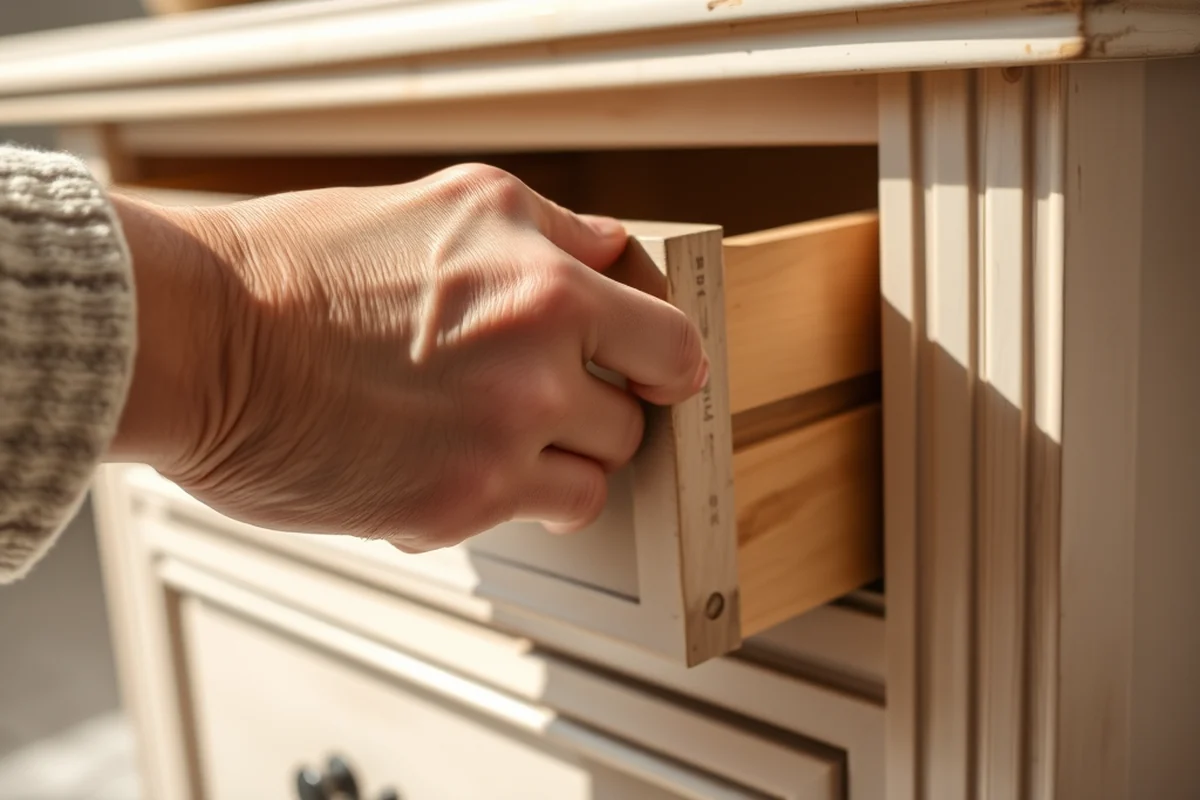
One of the most important aspects of stool design is getting the dimensions right. I've built stools that were too short or too tall, and it made a big difference in how they looked and felt in the space. A stool that's too short might look out of place, while one that's too tall could feel awkward when used with a table. Finding the right balance is key.
When I built my first step stool, I measured the height of my coffee table and made sure the stool was just a few inches shorter. That simple adjustment made the stool look and feel more natural in the room. It's also important to consider the width and depth of the stool — a wider stool might be great for seating, but it could take up too much space if not designed properly.
I've found that using a tape measure and sketching out the dimensions on paper before starting the build is a good way to avoid mistakes. Taking the time to plan out the size and shape of the stool ensures that it fits perfectly in your living room and functions exactly as you want it to.
Measure twice, build once — the right dimensions make all the difference.
Related: Shop stool plans free pdf
Related: Step stool plans
Related: Wooden step stool ideas
Related: Diy small wooden stool
Related: Helper stool plans
Materials and Finishes That Work for Living Rooms
The materials you choose for your stool can have a big impact on its appearance and longevity. I've used everything from basic pine to high-quality hardwoods, and each material has its own unique look and feel. Pine is a great option for a more budget-friendly build, while hardwoods like oak or maple offer a more durable and premium finish.
Finishes are another important consideration. I've tested different stains and finishes, and I've found that a clear polyurethane finish works best for living room stools — it's durable, easy to clean, and doesn't yellow over time. If you're going for a more rustic look, a wood stain with a matte finish can give your stool a warm, natural appearance that complements a variety of decor styles.
When I built my first stool, I used a clear polyurethane finish and it's still looking great after several years. It's important to apply multiple coats for maximum protection, and to let each coat dry completely before applying the next. Taking the time to apply a good finish will help your stool last longer and look its best.
I always work on my stool projects in a garage or outside, where the fumes from the finish can dissipate safely. This helps prevent any issues with the finish and makes the process more comfortable.
“I still remember the day I built my first stool for the living room — it was a simple design, but that little piece of…”— DIY Wooden Step Stool Plans editors
Adding Decorative Elements to Your Stool Design
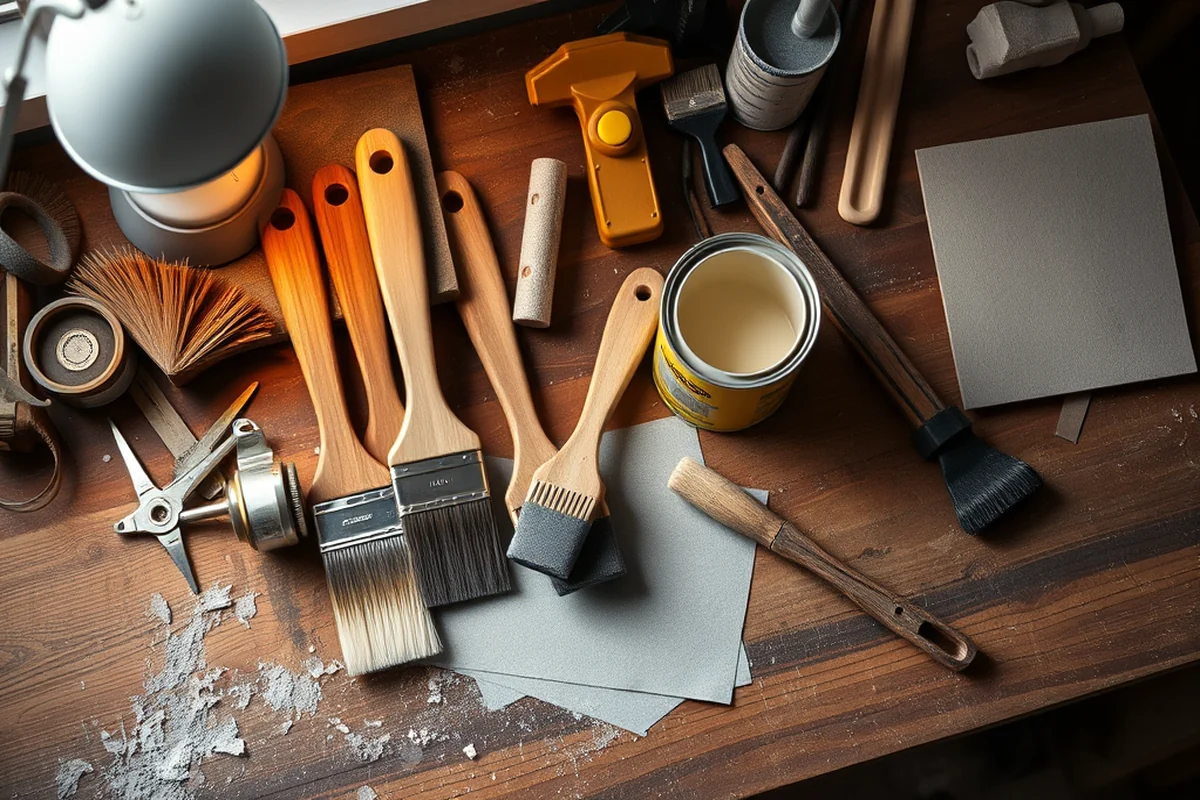
While functionality is important, adding decorative elements to your stool can make it a standout piece in your living room. I've experimented with different styles, from adding carved details to simple painted accents. These small touches can make a big difference in the overall look of your stool.
One of my favorite ways to add personality to a stool is by using a paint or stain that complements the rest of the room. I've used bold colors on some stools for a more dramatic effect, while others have a more subtle, natural finish. The key is to choose a design that fits your personal style and complements your existing decor.
I've also tried adding decorative hardware, like brass or iron handles, to give my stools a more refined look. These small details can elevate the appearance of a stool and make it feel more custom and tailored to your space.
Building a Stool for Small Spaces
If you're working with a small living room, choosing the right stool design is essential. I've built several stools that are designed to fit into tight corners or fit under a couch, and they've been a huge help in maximizing space. A small, compact stool can be a great addition to a room without taking up too much space.
One of the best ways to design a stool for a small space is by using a narrow, low-profile design. I've found that these types of stools are great for placing under a coffee table or along a wall, and they still provide a functional seating option. It's also important to choose materials that are lightweight but still durable.
I've built a few stools that are less than 18 inches wide, and they've been perfect for small spaces. These stools are easy to move around and don't take up too much room, making them a great choice for apartments or smaller living areas.
Making Your Stool More Comfortable
Comfort is an important factor when designing a stool, especially if it's going to be used for long periods of time. I've experimented with different materials, from adding padded seats to using thick cushions. These additions can make a big difference in how comfortable the stool feels.
One of my favorite ways to improve comfort is by using a thick cushion or foam pad. I've used foam that's about 2 inches thick, and it provides a nice amount of support without making the stool too bulky. It's also important to choose a fabric that's soft and durable, like microfiber or leather.
I've found that adding a cushion to a stool not only makes it more comfortable but also adds a decorative element. I've used different colors and patterns to match the rest of my living room decor, and it's been a great way to personalize the space.
Comfort meets style — a padded stool can transform your living room experience.
Customizing Stool Designs for Different Styles
If you're looking to create a unique piece of furniture, customizing your stool design is a great way to achieve that. I've built stools in a variety of styles, from modern and sleek to rustic and handcrafted. Each design has its own personality and can fit into different types of living rooms.
One of my favorite projects was building a stool with a modern, minimalist look. I used clean lines and a simple finish to create a piece that looked elegant and sophisticated. On the other hand, I've also built stools with more intricate details, like carved edges or decorative inlays, which gave them a more traditional feel.
The key to customizing your stool design is to start with a clear vision of what you want. Whether you're going for a bold, eye-catching look or a more subdued, neutral design, there are plenty of options to choose from. Taking the time to plan out your design will help ensure that the final product looks exactly how you want it to.
💰 Budget Build Stool
A simple, affordable stool made with basic materials and minimal tools.
⏰ Weekend Version Stool
A quick and easy stool project that can be completed in a single weekend.
✨ Upgraded Finish Stool
A high-end stool with a polished finish and custom details for a more refined look.
🛋️ Small-Space Adaptation Stool
A compact stool designed to fit into small living rooms and maximize space.
🏠 Rental-Safe Option Stool
A temporary stool that's easy to assemble and disassemble for rental-friendly living spaces.
| The mistake | Why it happens | The fix |
|---|---|---|
| Using the wrong type of wood | Some woods are more prone to warping or splitting, which can affect the durability and appearance of your stool. | Choose a hardwood like oak or maple for better strength and stability. |
| Not measuring the space properly | A stool that's too large or too small can look out of place and may not fit well in your living room. | Measure the area where the stool will be placed and sketch out the dimensions before starting the project. |
| Applying too few coats of finish | Insufficient finish can lead to the stool looking dull or not being as durable as expected. | Apply at least three coats of finish, allowing each coat to dry completely before applying the next. |
| Overlooking the importance of sanding | Skipping the sanding step can result in a rough finish and may cause the wood to splinter or have an uneven texture. | Sanding the wood thoroughly before applying any finish will ensure a smooth, professional-looking result. |
Stool Designs For Living Room
Common Questions
What type of wood is best for building a living room stool?
How long does it take to build a basic stool?
What tools are needed for this project?
Can I add a cushion to my stool for extra comfort?
References
- Wilma Subra - EPA (epa.gov)
- 1958 Parade of Homes Program (dahp.wa.gov)
- Pavement Manual - Texas Department of Transportation (txdot.gov)
Cite this guide
DIY Wooden Step Stool Plans (2026). Stool Designs For Living Room. https://stoolreach.com/stool-designs-for-living-room/
Feel free to cite or share this guide.