
What Is Floor Design
📖 Table of Contents
- What Is Floor Design and Why Does It Matter?
- How Floor Design Affects Your Daily Life
- Balancing Aesthetics and Practicality in Floor Design
- The Role of Subfloor Preparation in Floor Design
- Choosing the Right Material for Your Space
- The Impact of Lighting on Floor Design
- How Floor Design Influences the Value of Your Home
- Make It Your Way
- Frequently Asked Questions
Floor design is the invisible skeleton of any room — it's the first thing your feet touch, the surface that defines the character of a space, and the foundation that holds everything else together. I remember the first time I installed hardwood flooring in my living room — the way the planks clicked into place, the scent of fresh wood, the satisfaction of watching a room transform from bare concrete to a warm, lived-in space. It wasn't just about aesthetics; it was about function, durability, and the way the floor felt under my bare feet after a long day.[1]
Floor design isn't just about choosing between hardwood and tile — it's about understanding how the materials interact with light, heat, and foot traffic. I once tried to install a cheap laminate floor in my kitchen, thinking it would be easy and cost-effective. But within a few months, it began to buckle and warp under the humidity, and I had to rip it all out. That experience taught me that floor design is a science as much as it is an art. That choosing the right materials and techniques can save you time, money, and headaches in the long run.[2]
When I started exploring different floor designs, I realized that every material — whether it's engineered wood, natural stone, or concrete — has its own personality, maintenance needs, and installation quirks. I've spent hours reading up on subfloor preparation, moisture barriers, and the differences between glued-down and floating installations. The more I learned, the more I appreciated how much goes into a well-designed floor — and how it can elevate the entire look and feel of a space.
Why You'll Love This Article
- Learn how to choose the right floor design for your space
- Discover common mistakes and how to avoid them
- Get real-world insights from people who’ve done it before
- Understand the balance between style, function, and budget
What Is Floor Design and Why Does It Matter?
As of September 2026, Floor design is more than just choosing between hardwood and tile — it's about creating a space that feels comfortable, durable, and visually cohesive. I remember installing a radiant heated tile floor in my bathroom — the way the warmth seeped up through the tiles was something I never expected. It changed the way I interacted with the space entirely, making it feel like a sanctuary after a long day.[3]
Every material has its own characteristics. For instance, natural stone is beautiful but requires regular sealing to prevent water damage, while engineered wood is more stable and suitable for areas with fluctuating humidity. Understanding these differences is key to making the right choice for your home.
Floor design also plays a role in how a room is perceived. A dark, polished floor can make a small room feel cozier, while a light, reflective surface can open up a space and make it feel larger. It's about creating a balance that works with your lifestyle and the architecture of your home.
A good floor scraper can save you hours of work when removing old flooring. I once used a handheld scraper to remove a layer of old vinyl, and it took half the time compared to using just a hammer and chisel.
How Floor Design Affects Your Daily Life
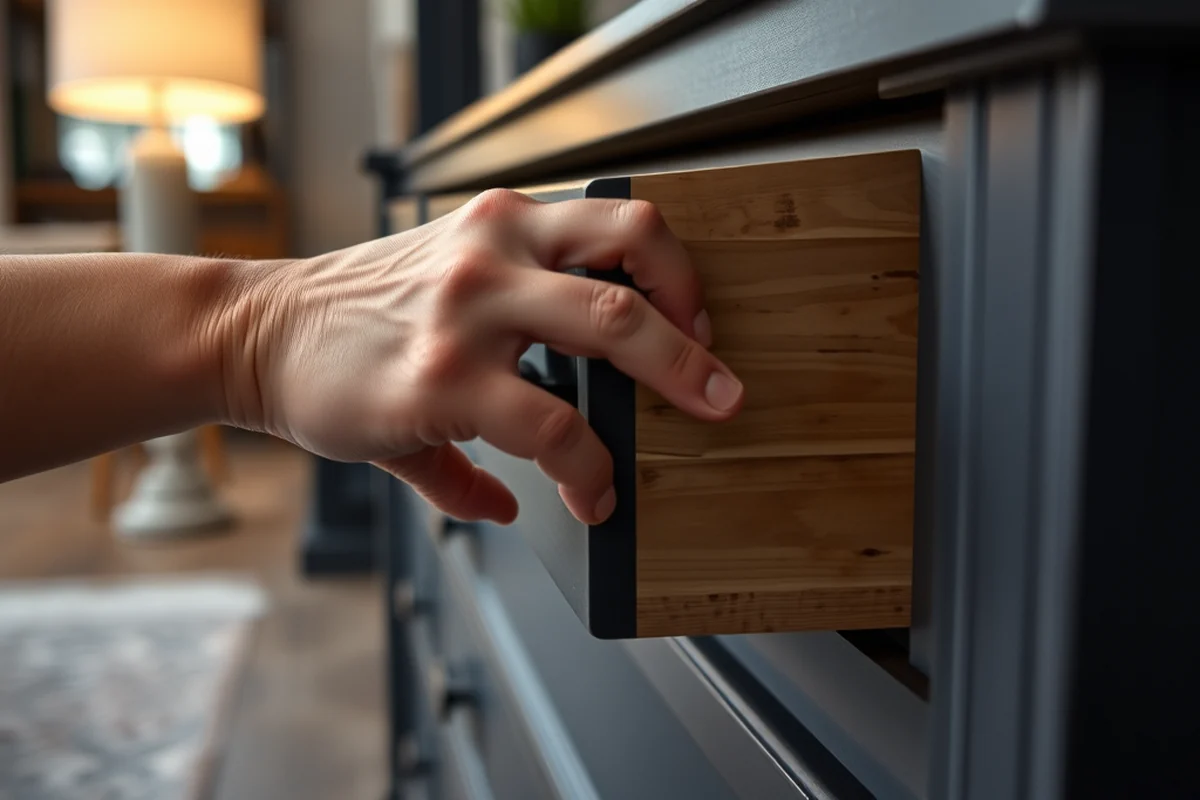
The type of flooring you choose can affect how your home feels underfoot. I once installed a plush, short-pile carpet in my home office, and it made the space feel more inviting and less stressful. It's the little things that make a big difference in your daily routine.
Safety is another factor to consider. In homes with young children or elderly family members, non-slip flooring is essential. I've seen homes with slick tile floors that are a hazard for toddlers, and it's a lesson that's worth learning early.
Floor design also influences the acoustics of a space. Hardwood floors can make a room feel more echoey, while carpets can help absorb sound and create a more tranquil environment. It's something I took into account when redesigning my living room.
A well-designed floor doesn’t just look good — it feels good too.
Related: Courtyard house plans
Balancing Aesthetics and Practicality in Floor Design
Floor design is a delicate balance between looks and practicality. I once chose a highly decorative ceramic tile for my kitchen, only to discover that it was incredibly difficult to clean. After months of frustration, I switched to a simpler, more practical tile that was both beautiful and easy to maintain.
Choosing the right color and pattern can make a big difference in how a floor looks. I once installed a light, neutral-toned floor in my living room, and it made the space feel more open and modern. It was a decision I made based on both aesthetics and the way the light played across the surface.
Practicality also includes how the floor interacts with your furniture. I've learned that some flooring materials can be damaged by heavy furniture, so choosing a material that's both durable and forgiving is key. It's a lesson that's helped me avoid costly repairs in the past.
If you're installing flooring in a high-traffic area, consider materials that are durable and easy to maintain. I've used engineered hardwood in my hallway and it's held up beautifully, even with daily use.
“Floor design is the invisible skeleton of any room — it's the first thing your feet touch, the surface that defines the character of a…”— DIY Wooden Step Stool Plans editors
Related: Small frame house plans
The Role of Subfloor Preparation in Floor Design
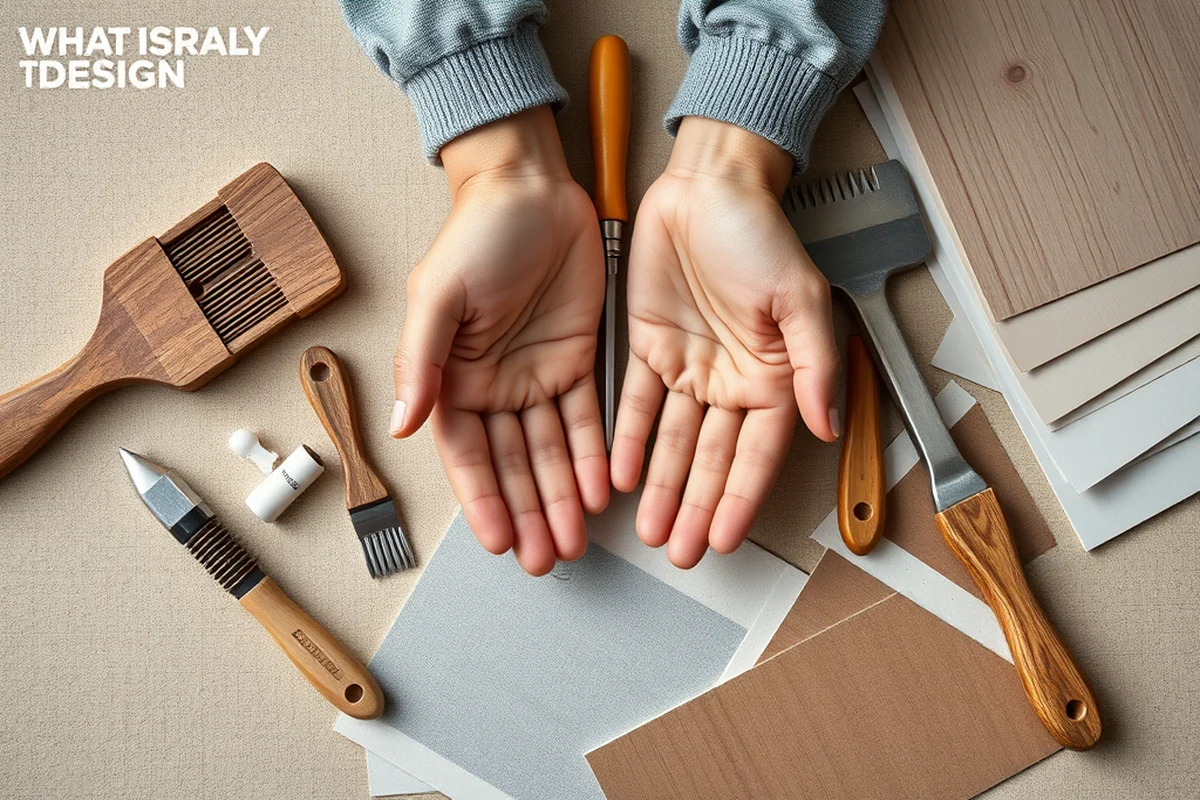
I once skipped the subfloor preparation step when installing a new floor, and it cost me dearly. Within a few months, the floor began to creak and warp under the weight of my furniture. I learned the hard way that a solid subfloor is just as important as the materials you choose.
Subfloor preparation involves ensuring the surface is clean, level, and dry. I've used a self-leveling compound in the past to fix uneven spots, and it made a huge difference in the final outcome. It's a small investment that pays off in the long run.
Moisture is another factor to consider. I once installed a floor in a basement without a moisture barrier, and it led to mold and rot. Now I always check the moisture levels before installation to avoid similar problems.
Related: Tiny house floor plans
Choosing the Right Material for Your Space
Different spaces require different materials. For instance, I've used waterproof vinyl in my bathroom because of the high moisture levels, while using hardwood in my living room for its warmth and elegance. It's all about matching the material to the environment.
I once installed a dark, polished floor in my home office, and it made the space feel more formal and focused. It was a decision that aligned with the purpose of the room and the type of work I do there.
Material selection can also be influenced by the existing decor. I've used a lighter-toned floor in a room with dark furniture to create contrast and make the space feel more balanced. It's a small detail that can have a big impact on the overall look.
Related: How to 3d a floor plan
The Impact of Lighting on Floor Design
I've noticed that the same floor can look completely different in various lighting conditions. In my living room, the floor appears more neutral in natural light but takes on a warm, golden tone under incandescent lighting. It's something I've had to consider when choosing the right color and finish for the space.
Lighting also plays a role in how the floor functions. In a high-traffic area, a reflective floor can make the space feel more open and bright. I've used a lighter-toned floor in my kitchen, and it has helped reduce the need for additional lighting.
When choosing a floor, I always consider how the lighting will interact with the surface. It's a subtle detail, but one that can make a big difference in the overall look and feel of a room.
Lighting can turn a flat floor into a canvas — use it wisely.
Related: What is diy estate planning
How Floor Design Influences the Value of Your Home
I've seen homes with well-designed floors sell much faster than those with outdated or poorly maintained flooring. A clean, modern floor can make a home feel more desirable to potential buyers.
Investing in high-quality flooring can pay off in the long run. I once upgraded my kitchen floor to a durable, high-end tile, and it not only improved the look of the space but also increased the overall value of my home.
Floor design is one of the first things buyers notice when touring a home. A well-maintained floor can create a positive first impression and make the home feel more welcoming and well-cared for.
💰 Budget-Friendly Floor Design
Opt for affordable materials like vinyl or laminate to achieve a stylish look without breaking the bank.
🕘 Weekend Floor Installation
Choose a simple, DIY-friendly floor design that can be installed in just one weekend.
✨ Upgraded Finish Floor Design
Enhance your floor with a high-gloss finish or custom stain for a more luxurious look.
🏠 Small-Space Floor Design
Use light-colored, reflective floors to make a small space feel larger and more open.
🔒 Rental-Safe Floor Design
Choose a durable, easy-to-clean floor that's ideal for rental properties and frequent turnover.
| The mistake | Why it happens | The fix |
|---|---|---|
| Skipping subfloor preparation | A poorly prepared subfloor can lead to warping, creaking, and other long-term issues with the flooring. | Always check the subfloor for levelness, moisture, and cleanliness before installation. |
| Choosing the wrong material for the space | Using a material that's not suited for the room's function can lead to damage and dissatisfaction. | Research the best materials for each room based on factors like moisture, foot traffic, and durability. |
| Ignoring the impact of lighting | Lighting can drastically change the appearance of a floor, sometimes making a chosen material look unattractive. | Test the flooring in the room with its current lighting to see how it looks and feels. |
| Overlooking maintenance requirements | Some flooring materials require more upkeep than others, and ignoring these needs can lead to premature wear and tear. | Choose materials that align with your lifestyle and are easy to maintain based on your schedule and habits. |
What Is Floor Design
Common Questions
How do I choose the right floor design for my home?
What are the most durable flooring options?
How can I make a small room feel larger with floor design?
What is the best way to maintain different types of flooring?
References
- 4-Papers-on-Housing-Design-Monographs-on-Site-and-Unit ... (huduser.gov)
- LANL Sustainable Design Guide (engstandards.lanl.gov)
- Moisture Control Guidance for Building Design, Construction ... - EPA (epa.gov)
Cite this guide
DIY Wooden Step Stool Plans (2026). What Is Floor Design. https://stoolreach.com/what-is-floor-design/
Feel free to cite or share this guide.