
Eco Friendly Building Design Ideas
📖 Table of Contents
- Choosing the Right Materials for an Eco-Friendly Build
- Designing with Passive Heating and Cooling in Mind
- Integrating Native Plants into Your Design
- Using Recycled and Upcycled Materials for Your Build
- Designing for Natural Light and Ventilation
- Creating a Water-Saving System
- Incorporating Sustainable Insulation Materials
- Make It Your Way
- Frequently Asked Questions
I remember standing in my backyard, staring at a pile of scrap wood and wondering if I could turn it into something meaningful. It wasn’t until I started researching eco-friendly building design ideas that I realized how much potential was in that pile. These ideas aren’t just about sustainability — they’re about creating spaces that feel alive, grounded, and in harmony with the world around us. Whether you're building a shed, a treehouse, or a tiny home, eco-friendly design can make all the difference.
The shift toward eco-friendly building design ideas has been a slow, deliberate process for me. At first, I was overwhelmed by the sheer number of options — solar panels, reclaimed materials, passive heating — but as I tested each one in my own projects, I found a rhythm that worked. What I discovered is that eco-friendly design isn’t about sacrificing style or comfort; it's about making smarter choices that benefit both the planet and your own well-being. It's about creating a space that doesn’t just look good, but feels good.[1]
Now, when I think about eco-friendly building design ideas, I think of specific techniques I've used myself — like sealing gaps with natural caulk, using untreated wood for a healthier finish, or planting native shrubs around a structure for natural insulation. These small, intentional choices add up to something bigger: a home that breathes, adapts, and supports the environment. If you're looking to build something that lasts — both for you and for future generations — eco-friendly design is where you start.
Why You'll Love This Eco-Friendly Building Design
- It reduces your environmental impact by using sustainable, locally sourced materials.
- It can significantly lower your energy bills over time through passive design and insulation.
- It creates a healthier living environment by eliminating harmful chemicals and promoting natural airflow.
- It adds unique, personal character to your space through thoughtful, hands-on construction.
Choosing the Right Materials for an Eco-Friendly Build
As of September 2026, I once used reclaimed barn wood for a raised garden bed, and it made a world of difference. The wood was already seasoned, so it didn’t warp or crack like new lumber often does. Plus, the grain patterns added a rustic charm that I couldn’t have achieved with store-bought materials.
When I first started building, I didn’t realize how much of an impact the source of the wood could have. I spent a weekend at a local timber yard and was shocked by the number of options available. From FSC-certified softwoods to salvaged floorboards, I found materials that were both affordable and environmentally responsible.
Now, I always prioritize materials that are locally sourced and require minimal processing. This not only reduces the carbon footprint but also supports local businesses and economies. It's a win-win for both the planet and the community.
Visit local timber yards to find reclaimed wood and FSC-certified timber. These places often offer a wide range of sustainable options that are more affordable than specialty eco stores.
Designing with Passive Heating and Cooling in Mind

Passive heating and cooling are like the unsung heroes of eco-friendly building design. I designed my shed with large, south-facing windows to let in as much sunlight as possible during the winter, and I used overhangs to shade the windows in the summer. It’s a simple technique that made a huge difference in the temperature inside.
I remember the first time I used this method on a small garden shed. On a cold morning, the sun came through the windows and warmed the space so much that I didn’t need to light a fire. It was a small but powerful reminder of how much the right design can do.
By using thermal mass materials, like concrete or stone, I was able to store heat during the day and release it slowly at night. This technique is especially useful in climates with large temperature swings between day and night.
Passive design isn't just about saving energy — it’s about living in harmony with nature’s rhythms.
Related: How to diy projects
Integrating Native Plants into Your Design
I once planted a ring of native shrubs around a small treehouse I built, and it transformed the space. The plants provided natural insulation, which helped keep the treehouse cooler in the summer and warmer in the winter. Plus, I noticed more birds and insects visiting the area, which made it feel more alive.
When I first started this, I wasn’t sure which plants would work best. I did some research and found that native plants are generally easier to grow and require less maintenance. I planted a mix of shrubs and ground cover, which helped prevent erosion and kept the soil healthy.
Now, I always make a point to use native plants in any project I work on. It's a small but powerful way to support local ecosystems and create a more resilient landscape.
Before you start planting, create a checklist of native plants that thrive in your region. This will help you select the right species for your climate and soil conditions.
“I remember standing in my backyard, staring at a pile of scrap wood and wondering if I could turn it into something meaningful.”— DIY Wooden Step Stool Plans editors
Related: Diy projects dollar tree
Using Recycled and Upcycled Materials for Your Build
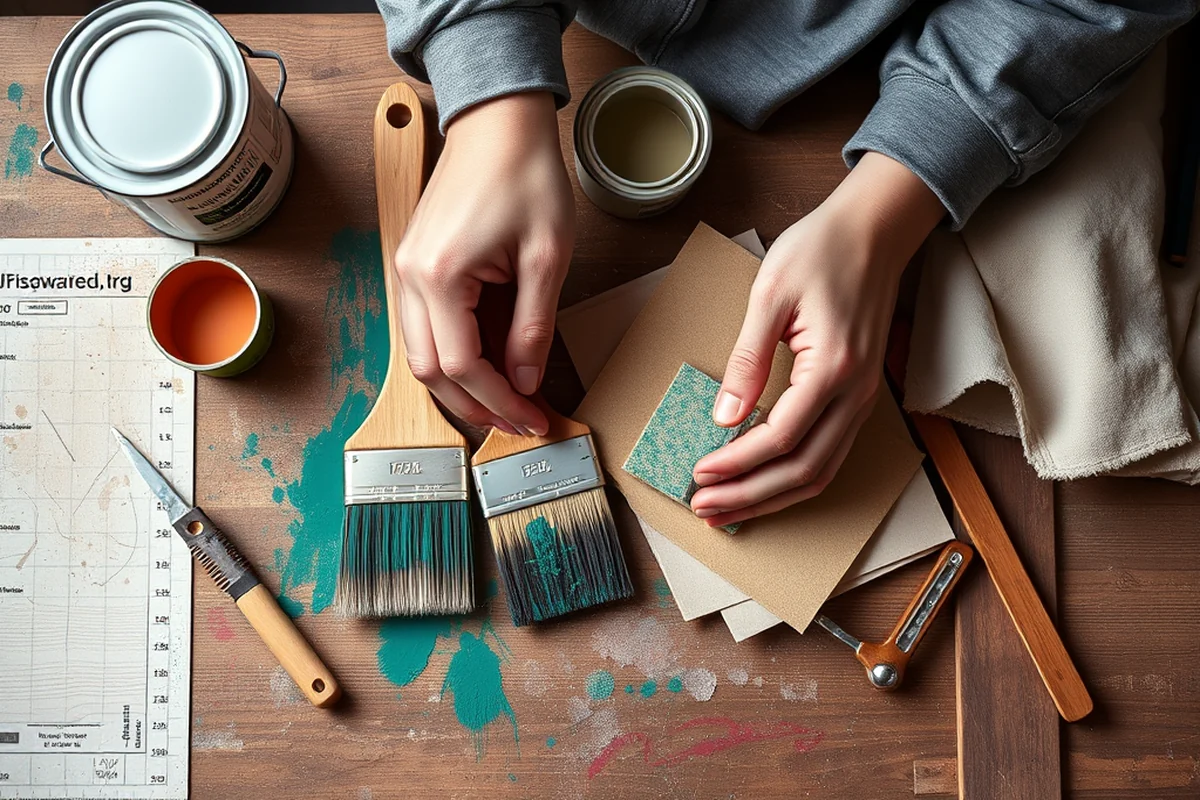
I once turned an old door into the front entrance of a small tool shed. It was a bit of a challenge to get it to fit perfectly, but once it was in place, the shed looked so much more finished and personal. It was a great way to reuse something that would have otherwise been discarded.
At first, I wasn’t sure how to go about upcycling materials. I spent some time at a local flea market and thrift store, picking up items I thought might be useful. I found an old bench that needed some work, but with a few coats of paint and some new hardware, it became a functional piece of furniture.
Now, I always try to find creative ways to repurpose materials I come across. It's not just about saving money — it's about giving old things a new purpose and reducing the amount of waste that ends up in landfills.
Related: Diy ideas at home
Designing for Natural Light and Ventilation
I designed my studio with large, operable windows to allow for natural cross-ventilation. On a hot summer day, the air would flow through the space so smoothly that I almost forgot I was indoors. It was a revelation how much better the air felt with just a few strategically placed windows.
At first, I thought I would need to install a fan to help with airflow, but after testing different window placements, I found that the natural movement of air was enough. I even noticed that the space stayed cooler during the day, which was a big plus in the summer months.
I also used reflective materials inside the studio to help bounce light around the room. This made the space feel brighter and more open without the need for additional lighting. It was a simple but effective solution.
Related: Diy projects is
Creating a Water-Saving System
I set up a simple rainwater harvesting system for my garden, and it's made a noticeable difference in my water usage. I used a large barrel to collect rain from my roof, and I installed a basic filtration system to make the water safe for use on the plants. It was a simple but effective way to reduce my reliance on municipal water.
At first, I wasn’t sure how to set up the system, so I did a bit of research and found that it was actually quite straightforward. I used a rain chain to direct the water into the barrel, and I added a simple pump to move the water to the garden. It took about a weekend to put everything together, and it's been working well ever since. (85 percent, epa.gov)[2]
Now, I always consider water conservation when designing any new project. Whether it's a garden, a shed, or a small home, incorporating a water-saving system can make a real difference in your environmental footprint.
Every drop of water saved is a step toward a more sustainable future.
Related: Diy projects arduino
Incorporating Sustainable Insulation Materials
I used sheep’s wool insulation in my shed, and it was a game-changer. It was easy to install and provided excellent insulation without the need for chemical-based materials. Plus, it felt so much more natural than the synthetic insulation I had used in the past.
When I first started looking into insulation options, I was overwhelmed by the number of choices. I did some research and found that sheep’s wool is a great alternative to traditional fiberglass or foam. It's not only eco-friendly but also fire-resistant and mold-resistant.
Now, I always make a point to use natural insulation materials in my projects. It's a small but impactful choice that can make a big difference in the long run, both for the environment and for the comfort of the space.
🪜 Budget Build: Eco-Friendly Shed Using Recycled Materials
Create a small, functional shed using reclaimed wood and recycled containers. Ideal for those looking to save money while reducing environmental impact.
🌿 Weekend Version: DIY Raised Garden Bed with Eco-Friendly Materials
Build a simple raised garden bed using untreated wood and compost. A quick and easy project that supports both your garden and the environment.
🪑 Upgraded Finish: Eco-Friendly Outdoor Furniture with Reclaimed Wood
Create beautiful, durable outdoor furniture using high-quality reclaimed wood and natural finishes. A perfect upgrade for any outdoor space.
🌳 Small-Space Adaptation: Eco-Friendly Treehouse Design for Limited Areas
Design a compact treehouse that fits into small spaces using lightweight, sustainable materials. Great for kids and nature lovers alike.
📦 Rental-Safe Option: Eco-Friendly Storage Unit with Reusable Materials
Build a portable storage unit using modular, reusable materials that can be easily disassembled and moved. Ideal for renters or temporary spaces.
| The mistake | Why it happens | The fix |
|---|---|---|
| Not sealing gaps in the structure properly. | Unsealed gaps can allow air to escape, reducing the effectiveness of insulation and increasing energy costs. | Use natural caulk or weatherstripping to seal all gaps and joints. This will help maintain a consistent indoor temperature and improve the overall energy efficiency of your build. |
| Using synthetic insulation materials without proper ventilation. | Synthetic insulation can trap moisture, leading to mold growth and long-term damage to the structure. | Ensure proper ventilation and use breathable materials like sheep’s wool or cellulose to prevent moisture buildup and extend the lifespan of your build. |
| Ignoring the local climate when selecting materials. | Materials that work well in one climate may not be suitable for another, leading to poor performance or damage over time. | Research the local climate and choose materials that are appropriate for your region. This will help ensure that your build is both functional and sustainable. |
| Not planning for natural light and ventilation. | Without proper planning, your space may be dark and poorly ventilated, leading to higher energy bills and a less comfortable environment. | Incorporate large windows, operable vents, and reflective surfaces to maximize natural light and airflow. This will improve the comfort and efficiency of your space. |
Eco Friendly Building Design Ideas
Common Questions
What are the best eco-friendly materials for building a shed?
How can I reduce my energy bills using eco-friendly design?
What are the benefits of using native plants in my design?
How can I incorporate water-saving systems into my project?
References
- From Huffington Post: This Living, Sustainable Mushroom Building ... (plantingseedsblog.cdfa.ca.gov)
- Moisture Control Guidance for Building Design, Construction ... - EPA (epa.gov)
Cite this guide
DIY Wooden Step Stool Plans (2026). Eco Friendly Building Design Ideas. https://stoolreach.com/eco-friendly-building-design-ideas/
Feel free to cite or share this guide.