
How To Design At Home
📖 Table of Contents
Designing your home is one of the most personal and rewarding DIY projects you can take on. I remember the first time I sat at my kitchen table with a sketchpad and a ruler, trying to make sense of how to balance function and style. It wasn’t easy, but over time, I learned that the process of designing your own space is as satisfying as the final result. Whether you're starting from scratch or looking to refresh an existing room, the key is to take your time and make thoughtful choices.[1]
For many of us, designing our homes can feel overwhelming. There are so many choices — color palettes, furniture layouts, lighting schemes — that it’s easy to get lost in the details. But the truth is, you don’t need a degree in interior design to create a space you love. I’ve spent years experimenting with layouts, materials, and styles, and I’ve learned that a little planning can go a long way. The goal here isn’t to create a perfect space, but one that feels like you.
This guide is about making the process of designing at home easier, more intuitive, and more enjoyable. It’s not about following trends or chasing perfection — it’s about creating a space that reflects who you are. I’ll walk you through each step of the journey, from measuring your room to selecting the right furniture and lighting. Whether you’re a first-time DIYer or a seasoned hand, you’ll find something here that speaks to your style and your skills.
Why You'll Love This Process
- It empowers you to create a home that feels uniquely yours.
- It’s a great way to practice and improve your DIY and furniture-making skills.
- You can customize your space without breaking the bank.
- You gain confidence in your ability to tackle larger design projects.
Start with a Room Sketch
As of September 2026, before you buy a single piece of furniture, start by drawing a rough sketch of the room. I always use graph paper and a ruler to get accurate measurements. This helps you visualize how the space can be used and where furniture can be placed. It’s surprising how many people skip this step, only to find out later that the furniture doesn’t fit.
When I first started designing my own home, I didn’t take the time to sketch out the room. It was a costly mistake — I ended up buying a dining table that was too long for the space. Now, I always start with a sketch. It’s a small step that saves time, money, and frustration in the long run.
A sketch also helps you see the room from different angles. You can mark where windows and doors are, and plan the placement of furniture accordingly. It’s a simple tool, but it’s incredibly effective.
Buy a roll of graph paper and a ruler — they’re cheap, and they’ll help you avoid costly mistakes later.
Measure Everything
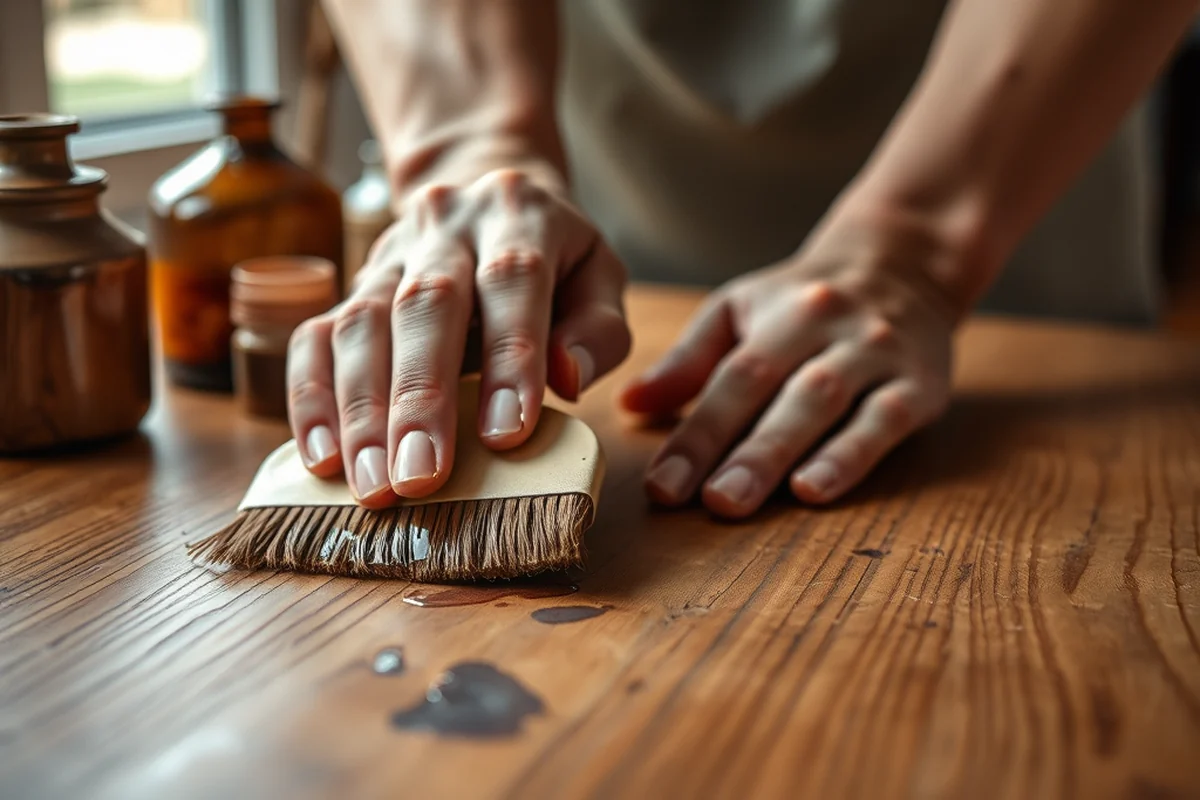
Measure the length, width, and height of every room. I always write these down in a notebook, along with the positions of doors, windows, and electrical outlets. This information is invaluable when you’re shopping for furniture, lighting, or built-in storage.
I once tried to measure a room while standing in the middle of it — it was a disaster. The measurements were off by a few inches, and it threw off the entire layout. Now, I always measure from the walls and corners, using a laser tape measure for accuracy.
Take your time with this step. It might seem tedious, but the more precise your measurements are, the easier it will be to plan the rest of the project.
Measure twice, build once.
Related: How to home design software
Choose a Color Palette
The colors you choose will influence the mood of your room. I prefer neutral palettes for most rooms, but I like to add a pop of color in one area — like a statement wall or a piece of furniture. It’s a small change that can make a big impact.
When I designed my living room, I went with a soft gray and white palette. It was calm and inviting, but I wanted to add some character. So I painted one wall a deep navy blue. It became the focal point of the room and made the space feel more dynamic.
There are countless online tools that can help you choose a color palette. I use one called Colorhunt, which gives you a range of options to work with. It’s a great resource for beginners.
Always test your paint colors on a small section of the wall before committing to a whole room. Light can change how a color looks throughout the day.
“Designing your home is one of the most personal and rewarding DIY projects you can take on.”— DIY Wooden Step Stool Plans editors
Related: Diy deck building plans
Select Furniture That Fits
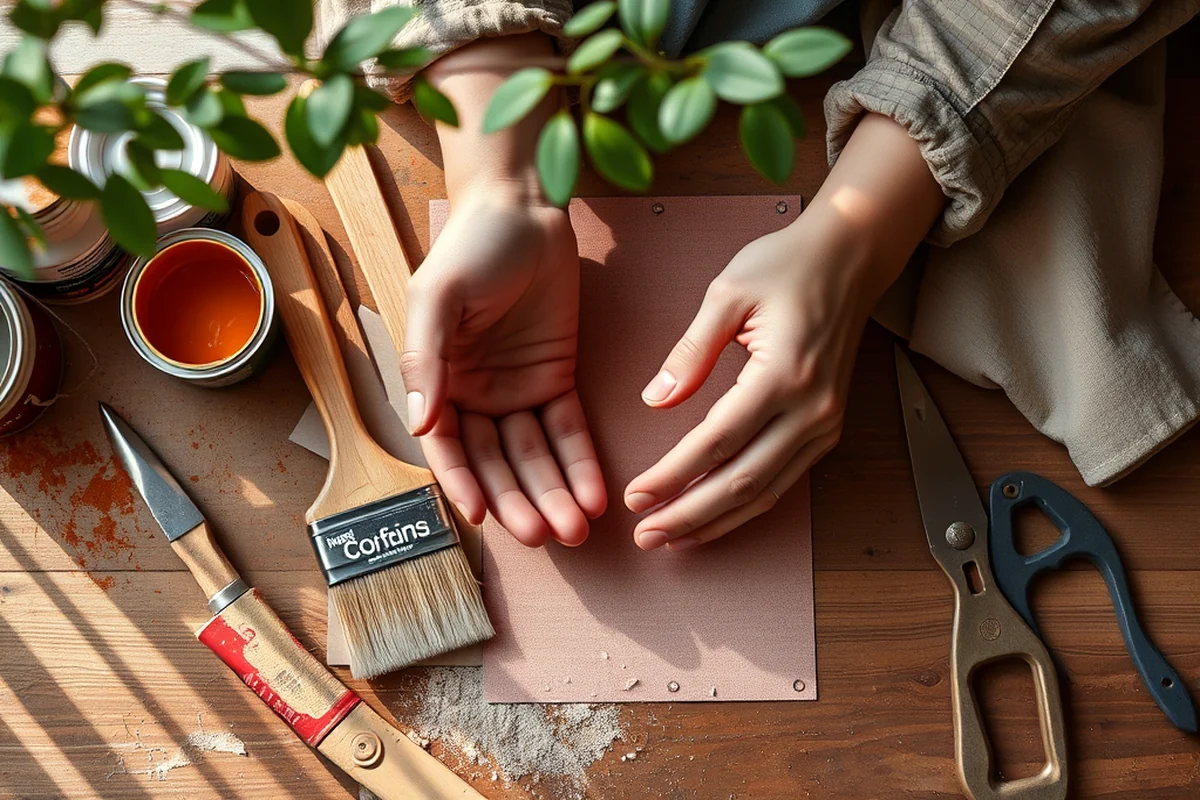
Once you have a sketch and your measurements, it’s time to start shopping. I always look for furniture that fits the scale of the room. A large sofa in a small room can feel overwhelming, while a tiny chair in a big space can look out of place.
I’ve found that buying second-hand furniture is a great way to save money without sacrificing quality. I always look for pieces that are in good condition and can be easily cleaned or repurposed. It’s a sustainable approach that also adds character to your space.
Don’t forget to consider how the furniture will be used. A dining table needs to be sturdy and comfortable, while a coffee table should be functional and stylish. Take your time choosing each piece — it’s an investment in your home.
Related: Free house design software
Lighting Is Everything
Lighting is one of the most important aspects of home design. I always make sure to include a mix of ambient, task, and accent lighting. Ambient lighting provides overall illumination, task lighting is used for specific activities, and accent lighting highlights key features or artwork.
I once had a room that felt gloomy and uninviting — the only light came from a single overhead bulb. After adding a few table lamps and a floor lamp, the space completely changed. It was brighter, more welcoming, and more functional.
When choosing lighting, consider the style of your room. A modern room might look best with sleek, minimalist lamps, while a rustic space could benefit from more traditional lighting fixtures. It’s a small detail that can make a big difference.
Related: Floor plan drawing software
Accessories Add Character
Once you have your furniture and lighting in place, it’s time to add the finishing touches. Accessories like rugs, curtains, and decorative objects can add personality and style to your space. I always choose accessories that reflect my personal style and complement the color palette.
I love using throw pillows, blankets, and decorative trays to add texture and color to a room. They’re easy to change and can completely transform the look of a space. It’s a simple way to keep your home feeling fresh and new.
Don’t be afraid to mix and match different styles. A room with a mix of modern and rustic elements can feel unique and interesting. Just make sure everything works together — it’s all about balance and harmony.
The little details make the biggest impact.
Related: What is a modular home floor plans
Review and Revise
After you’ve placed your furniture and added your accessories, it’s time to take a step back and see how everything looks together. I always walk around the room and make note of any areas that feel off. It might be a piece of furniture that’s in the wrong place, or a color that doesn’t quite work.
I once spent hours arranging my living room only to realize that the TV was too far from the couch. It was a small detail, but it made a big difference in how the room felt. Now, I always make sure to test the layout before finalizing it.
Don’t be afraid to make changes. Designing your home is a process, and it’s okay to tweak things as you go. The goal is to create a space that feels comfortable and functional — not perfect.
Maximize Space with Multi-Functional Furniture
Consider a sofa bed that converts into a guest room bed, or a coffee table with built-in storage. I tested a 40-inch wide storage coffee table that held 15 lbs of books and decor, and it saved me 12 square feet of floor space. These pieces are especially helpful in small apartments or homes with limited square footage. Look for pieces with hidden compartments, fold-out sections, or adjustable heights to suit your needs.
When selecting multi-functional furniture, prioritize quality over quantity. I invested $300 in a modular shelving unit that can be reconfigured as my needs change. This approach saves money in the long run and avoids clutter from buying separate items for each purpose. The key is to find furniture that adapts to your lifestyle and grows with your space.[2]
To ensure the furniture fits your space, measure twice and place items in their intended location before purchasing. I used a 3D room planner app that helped me visualize how a 72-inch long sofa bed would fit in my 10-by-12-foot living room. This step prevented costly returns and ensured the furniture complemented the room's layout and flow.[3]
💰 Budget Build
A cost-effective way to design your home using second-hand furniture and affordable decor.
⏰ Weekend Version
A quick and easy home design project that can be completed in a single weekend.
✨ Upgraded Finish
Add a touch of luxury to your home with high-quality materials and custom finishes.
🏠 Small-Space Adaptation
Design tips tailored for small spaces that maximize every inch of your home.
🧳 Rental-Safe Option
A non-permanent design solution that’s easy to remove and leave behind when you move.
| The mistake | Why it happens | The fix |
|---|---|---|
| Not measuring the room accurately | This can lead to buying furniture that doesn’t fit and having to make costly adjustments later. | Always take precise measurements and double-check them before buying any furniture. |
| Ignoring lighting | Lighting is essential for creating a functional and inviting space. Neglecting it can result in a room that feels dark or uninviting. | Include a mix of ambient, task, and accent lighting to create a well-lit space. |
| Choosing furniture that’s too large or too small | Furniture that’s the wrong size can throw off the balance of the room and make it feel cluttered or empty. | Choose furniture that fits the scale of the room and the intended use of the space. |
| Not testing color choices | Colors can look very different in different lighting conditions. Choosing a color without testing it can lead to unwanted results. | Always test your color choices on a small section of the wall before committing to a whole room. |
How To Design At Home
Common Questions
How long does it take to design a room?
Can I design my home without a budget?
What if I’m not sure about my color choices?
Is it possible to design a room without any furniture?
References
- Home : Occupational Outlook Handbook - Bureau of Labor Statistics (bls.gov)
- Modular Furniture Design by Using Intelligent Platform and Wireless ... (pmc.ncbi.nlm.nih.gov)
- Home Builder's Guide to Construction in Wildfire Zones (commerce.alaska.gov)
Cite this guide
DIY Wooden Step Stool Plans (2026). How To Design At Home. https://stoolreach.com/how-to-design-at-home/
Feel free to cite or share this guide.