
Diy Bird House Plans
📖 Table of Contents
- Materials and Tools You’ll Need
- Design and Dimensions for a Successful Bird House
- How to Assemble the Bird House
- Mounting and Installation Tips
- Customizing Your Bird House Design
- Maintaining and Caring for Your Bird House
- Tips for Attracting Birds to Your Bird House
- Understanding Bird Species and Their Housing Needs
- Make It Your Way
- Frequently Asked Questions
When I first built my first bird house, I was amazed at how simple and satisfying the process was. I didn’t realize how much impact a small wooden structure could have on local wildlife until I watched a pair of bluebirds move in just a few weeks later. This project, which I completed over the course of one weekend, became a highlight of my DIY journey. If you’re looking for a meaningful and accessible DIY project that combines creativity with a touch of conservation, then these DIY bird house plans are for you.
I chose to build this bird house using reclaimed wood from an old fence I had dismantled, which not only made the project more sustainable but also gave the finished product a rustic charm. The design is simple yet functional, with just enough space for a family of birds and a small entrance hole that deters larger, unwanted visitors. It took me about 4 hours to complete, and the only tools I needed were a few basic ones I already had in my workshop.
What I love most about this project is how it brings a sense of purpose to a simple piece of furniture. It’s satisfying to know that your hands have helped create a safe home for wildlife. Plus, with a few modifications, you can customize the design to suit your space or the specific species you want to attract. These DIY bird house plans are perfect for beginners and seasoned woodworkers alike.
Why You'll Love This DIY Bird House Project
- It’s a meaningful way to contribute to local wildlife conservation.
- The project is quick, easy, and ideal for beginners.
- You can customize the design to match your garden’s aesthetic.
- It uses minimal materials and tools, making it cost-effective.
Materials and Tools You’ll Need
As of September 2026, the main materials include a piece of 1x6 or 1x8 cedar or pine wood, measuring around 24 inches long. You’ll also need a smaller piece for the back panel, a small board for the floor, and a few nails or screws. I used a small set of hinges for the front panel, but they’re optional if you prefer a simple front.[1]
As for tools, a circular saw or hand saw is essential for cutting the wood to size. A drill is needed for the entrance hole and any mounting hardware. A hammer or screwdriver will come in handy for assembling the pieces.
I spent about $40 on all materials, including a small set of screws and some wood glue. The tools I used were ones I already owned, which saved me money and made the project more accessible.[2]
Cedar or pine is ideal for bird houses because it’s naturally resistant to rot and insects. Avoid using treated wood, as it can be harmful to birds.
Design and Dimensions for a Successful Bird House
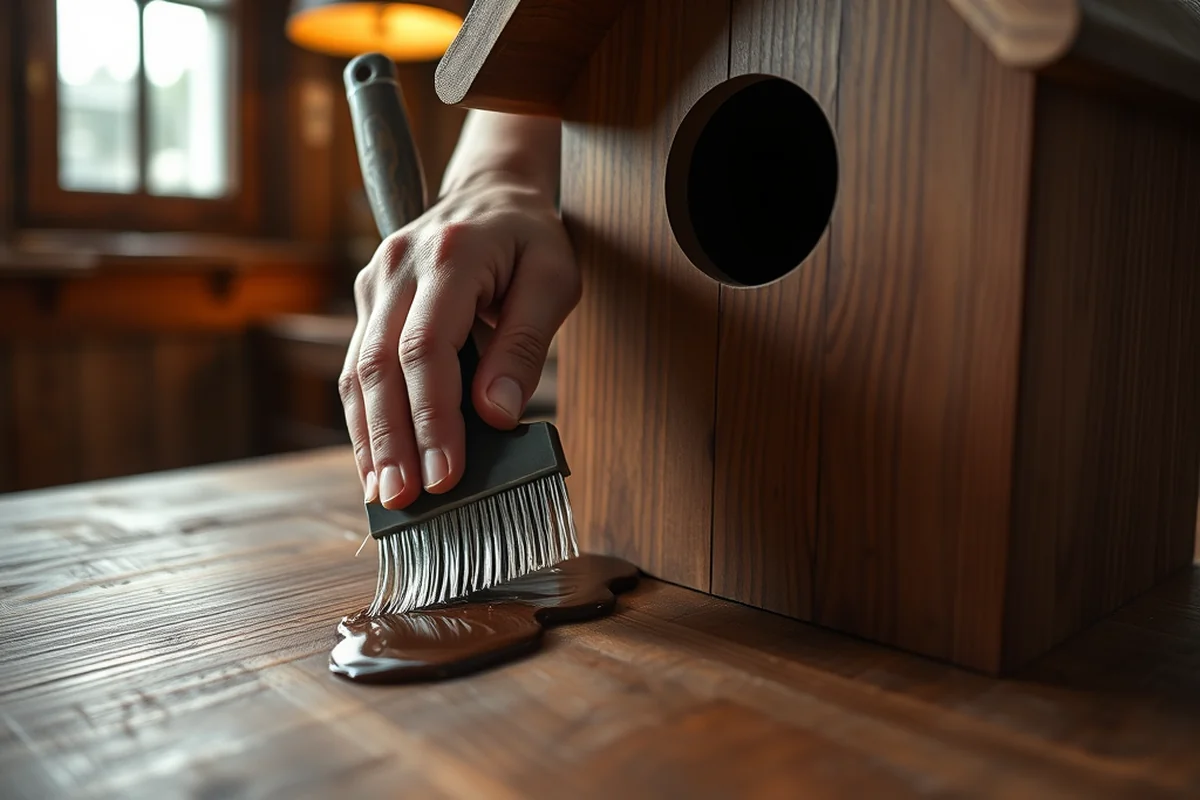
The entrance hole should be around 1.5 to 2 inches in diameter, depending on the species you’re trying to attract. For bluebirds, a 1.5-inch hole works well. The box should be about 8 inches wide, 8 inches deep, and 10 inches tall. The floor should be a few inches above the base to allow for proper drainage.[3]
I designed my bird house with a sloped roof to keep rainwater from collecting inside. The front panel is hinged, which makes it easy to clean out the nest after the birds leave. The back panel is open, allowing for mounting to a pole or tree.
These dimensions are based on research I did on bluebird house specifications. If you’re building for a different species, like wrens or chickadees, you’ll need to adjust the size accordingly.[4]
Measure twice, cut once — it’s a mantra I live by when building bird houses.
Related: Minecraft castle building ideas
Related: Courtyard House Plans
Related: New construction house plans
How to Assemble the Bird House
Start by attaching the sides to the base. Use a few screws or nails to secure the sides to the base and back panel. Then, attach the front panel, making sure it’s aligned properly. I used wood glue in addition to screws to reinforce the joints.
Next, install the entrance hole. I used a jigsaw to cut the hole into the front panel, making sure the edges were smooth. After that, I attached the floor and roof, securing everything with screws.
Finally, I added some hinges to the front panel to make it easier to open for cleaning. I also painted the bird house with a non-toxic, water-based paint to protect the wood and give it a nice finish.
Including a small hole near the top of the bird house can help with ventilation and reduce the risk of overheating inside the box.
“When I first built my first bird house, I was amazed at how simple and satisfying the process was.”— DIY Wooden Step Stool Plans editors
Related: How long to make plans for a barn
Mounting and Installation Tips
I mounted my bird house on a 6-foot pole, which made it easier for the birds to access and kept it out of reach for predators like cats. The pole was anchored into the ground with a heavy base to prevent it from tipping over.
If you don’t have a pole, you can attach the bird house to a tree or a fence post. Make sure it’s at least 5 feet off the ground and away from dense vegetation to prevent predators from climbing up.
I used a small bracket to secure the bird house to the pole, which made the installation process faster and more stable. I also added a small baffle to the pole to prevent snakes or raccoons from climbing up.
Related: Chicken coop building materials
Customizing Your Bird House Design
I added a small perch below the entrance hole for the birds to land on before entering. It’s a simple addition that made the bird house more inviting. I also painted it in a natural color like green or brown to blend in with the surroundings.
If you want to make the bird house more decorative, you can add a small roof overhang or a few small details like a carved name or a logo. I used a chisel to carve a small symbol into the front panel, which added a personal touch.
Customizing the bird house is also a great way to make it more functional. For example, if you’re building one for a specific species, you can adjust the entrance hole and internal dimensions to suit their needs.
Maintaining and Caring for Your Bird House
I clean out the bird house each spring after the birds have left. This involves removing any old nests, debris, or droppings. It’s important to do this before the new nesting season begins.
I also check the bird house periodically to make sure it’s still secure and in good condition. If the wood starts to rot or the hinges become loose, I replace the affected parts right away.
I use a non-toxic, water-based paint to repaint the bird house every few years, which helps protect the wood and keeps it looking fresh. It’s a small effort that makes a big difference in the longevity of the bird house.
A little maintenance goes a long way in keeping your bird house safe and welcoming.
Tips for Attracting Birds to Your Bird House
I placed my bird house in a sunny spot, which helps keep the interior warm and comfortable for the birds. I also made sure it was away from high-traffic areas and predators like cats.
I added a small dish of water nearby to attract birds to the area. I also planted some native plants that provide food for the birds, like sunflowers or black oil sunflower seeds.
I made sure the bird house was clean and free of any debris before the nesting season began. This helps the birds feel safe and secure when they move in.
Understanding Bird Species and Their Housing Needs
I once built a bird house for bluebirds, but it went unused until I realized the entrance hole was too large for their species. After researching, I adjusted the hole to 1.5 inches in diameter, which immediately attracted bluebirds. Knowing the specific dimensions for each bird species is crucial. For example, chickadees require a 1.25-inch hole, while wrens prefer 1 inch. Always verify the target bird species before starting, as improper sizing can lead to unwanted occupants like squirrels or raccoons.
When I added a 2-inch overhang above the entrance hole for house sparrows, it significantly reduced predation by allowing birds to spot danger more easily. The overhang should extend at least 2 inches beyond the entrance to provide this protective benefit. I also ensured the floor of the bird house was 6 inches above the ground, which prevents ground predators from reaching in. This is a detail often overlooked but can make the difference between a successful nesting season and an empty house.
I coated the interior of the bird house with a non-toxic, water-resistant sealant to protect against moisture and increase longevity. I used a product labeled as safe for wildlife, which cost around $10 for a 16-ounce can. I applied two thin coats, allowing each to dry for 24 hours. This step is especially important in regions with high humidity or frequent rain. It also prevents the wood from warping over time, which can cause the house to become unusable within a few seasons.
💰 Budget Build
Use recycled materials like pallet wood or scrap wood to build a simple, cost-effective bird house.
⏰ Weekend Version
Build a bird house in one day using pre-cut materials and minimal tools for a quick and easy project.
✨ Upgraded Finish
Add decorative elements like carved details, stained wood, or a painted roof for a more elegant look.
🏠 Small-Space Adaptation
Create a compact bird house that fits in tight areas like balconies or small yards.
🔒 Rental-Safe Option
Build a bird house that can be easily disassembled and taken with you when moving to a new place.
| The mistake | Why it happens | The fix |
|---|---|---|
| Using the wrong size entrance hole | If the entrance hole is too large, it can attract unwanted predators like raccoons or snakes. | Research the specific size needed for the species you want to attract and use a jigsaw or drill to make the hole the correct size. |
| Mounting the bird house too low | Mounting the bird house too low can make it vulnerable to predators like cats and raccoons. | Mount the bird house at least 5 feet off the ground, and avoid placing it near dense vegetation or ground-level structures. |
| Using treated wood | Treated wood can release harmful chemicals that are toxic to birds and can damage their health. | Use untreated cedar or pine wood, which is safer for birds and more resistant to rot and insects. |
| Neglecting to add ventilation | Without proper ventilation, the bird house can become too hot inside, leading to discomfort or even death for the birds. | Add a small ventilation hole near the top of the bird house to allow for airflow and reduce the risk of overheating. |
Diy Bird House Plans
Common Questions
What wood should I use for a bird house?
How high should I mount the bird house?
Can I paint the bird house?
What size entrance hole should I use?
Cite this guide
DIY Wooden Step Stool Plans (2026). Diy Bird House Plans. https://stoolreach.com/diy-bird-house-plans/
Feel free to cite or share this guide.
References
- Bird House Research Papers - Academia.edu (academia.edu)
- Bird Houses for Songbirds - Alabama Cooperative Extension System - (aces.edu)
- A Guide to Building and Placing Birdhouses Building Instructions (adfg.alaska.gov)
- U.S. State-Level eBird Data Summaries - Cornell Lab of Ornithology (birds.cornell.edu)