
Diy Wood Home
📖 Table of Contents
I built my first DIY wood home in the corner of my backyard, a small but functional structure that became a sanctuary for my plants and a space where I could retreat from the chaos of everyday life. It wasn’t a grand project. The way the cedar planks settled into the corners and the scent of the wood filled the air made me realize how much joy a little DIY construction could bring. That small structure taught me that building with your hands, using natural materials, and creating something you can call your own is deeply satisfying.[5]
The idea of a DIY wood home is more than just a trend — it's a movement toward sustainability and self-reliance that's growing fast. I’ve since built several variations of this concept, from tiny garden sheds to full-blown tiny homes, each one a lesson in craftsmanship, budgeting, and practicality. Whether you’re looking for a weekend project or something more ambitious, a DIY wood home can be a deeply rewarding experience if you approach it with patience and attention to detail.
Building a DIY wood home isn’t just about saving money or reducing your carbon footprint. It's about creating a space that reflects your personality and values. I’ve learned that the right tools, materials. Techniques can make all the difference, and I want to share those insights with you — because this is a journey that’s as much about the process as it is about the final product.
Why You'll Love This DIY Wood Home Project
- Customization: You get to choose every detail from the wood type to the layout.
- Cost-effective: Building your own home can be significantly cheaper than hiring professionals.
- Sustainable: Using wood as your primary material supports eco-friendly construction.
- Personal satisfaction: The pride of building something with your own hands is unmatched.
Choosing the Right Materials for Your DIY Wood Home
As of August 2026, I always start by sourcing lumber from local hardware stores or salvage yards, where I can find reclaimed wood that’s both affordable and environmentally friendly. Cedar and redwood are excellent choices for outdoor structures, as they naturally resist rot and insects. I also invest in treated pine for the foundation and support beams, as it’s more budget-friendly without sacrificing strength.[1]
Another key material is the roofing material. I've used corrugated metal roofing in past projects, which is lightweight, durable, and easy to install. For a more rustic look, I’ve also used wooden shingles, which add character but require more maintenance. Choosing the right materials not only affects the cost and longevity of the project but also the overall look and feel of the finished structure.
I always recommend buying a little extra material to account for cuts and mistakes. It’s easy to underestimate how much wood you’ll need, especially if you’re new to DIY construction. Overestimating helps prevent delays and the stress of running out of supplies mid-project.[2]
Always buy about 10-15% more lumber and other materials than you think you’ll need. It’s a small investment that can save you time and frustration later.[3]
Part of our Wood home guide.
Designing Your DIY Wood Home Layout
I like to sketch out a rough plan before I start cutting any wood. This helps me visualize the space and make adjustments before I commit to construction. For example, if I’m building a garden shed, I need enough room to move around comfortably and store tools and garden supplies. I always include a door, at least one window, and a small ventilation opening to keep the space livable.
I also think about the height and width of the structure. For a garden shed, a height of 6 feet is usually sufficient, but if I’m building a tiny home, I need to consider headroom and the height of the roof. I’ve found that a gable roof is easier to construct than a hip roof, especially for beginners. The layout also affects the placement of windows and doors, which are crucial for natural light and airflow.
Including a small porch or overhang can make a big difference in the overall appearance and usability of the structure. I’ve seen so many DIY wood homes that look unfinished because they lack these details. A little extra planning goes a long way in making your DIY wood home look and function like a real home.
A well-planned layout can transform a simple wooden structure into a functional and beautiful space.
Related: Diy simple wooden box
Related: Diy wooden box
Related: Diy wooden hose holder
Related: Diy cheap wood shed
Related: Diy wood over concrete steps
Related: What Is Diy At Home
Building the Foundation and Frame
I always start with a solid foundation, even for a small structure. I use treated wood stakes to create a perimeter frame and then set 4x4 posts into the ground, spaced evenly and secured with concrete. This prevents the structure from settling unevenly or sinking into the ground over time. The ground itself should be level and compacted before you begin.
Once the foundation is in place, I build the frame using 2x4s. This gives the structure its shape and support. I use a combination of screws and nails to secure the frame, as they provide different types of strength. Screws are better for holding the structure together, while nails are useful for attaching the planks and other parts later on.
Building the frame is a time-consuming but essential step. I always double-check the measurements and make sure everything is square before I move on to the next step. I’ve learned that even a small error at this stage can cause big problems later, so it's worth taking the extra time to get it right.
Use a carpenter’s square to check that all corners are 90 degrees. This ensures that your frame is stable and your structure won’t sag or warp over time.[4]
“I built my first DIY wood home in the corner of my backyard, a small but functional structure that became a sanctuary for my plants…”— DIY Wooden Step Stool Plans editors
Adding the Walls and Roof

I start by attaching the wall panels to the frame, using 1x4 or 1x6 planks. These are spaced a few inches apart to allow for ventilation and to prevent warping. I also use a moisture barrier between the wall panels and the frame to protect against dampness and rot.
For the roof, I use corrugated metal sheets or wooden shingles, depending on the look I want. I always ensure that the roof has a slight slope to allow rain to drain properly. I attach the roofing material to the roof frame using screws and then add a layer of tar paper or plastic sheeting underneath for extra protection.
I’ve found that using treated wood for the roof and walls makes a big difference in the longevity of the structure. Untreated wood can warp or rot quickly, especially in wet or humid climates. Taking the time to use the right materials now can save you a lot of trouble later.
Finishing Touches and Interior Details
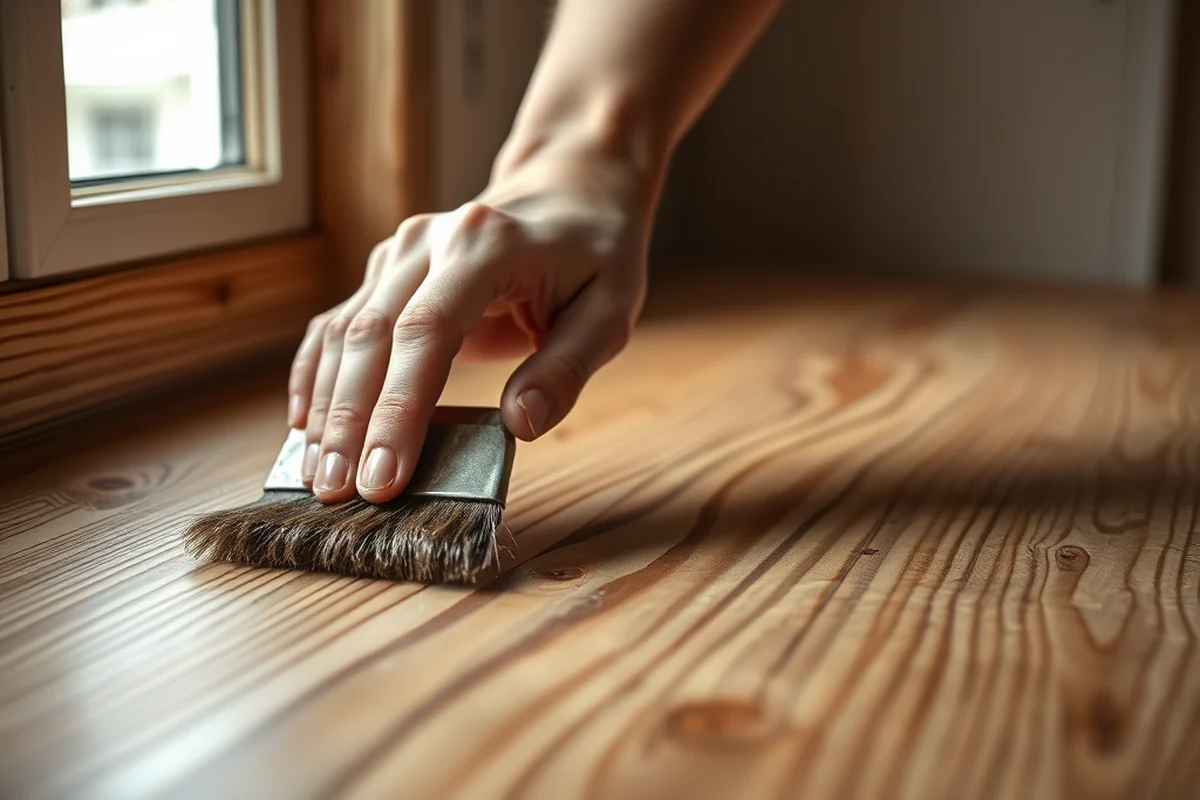
I always start by sealing the wood with a weather-resistant paint or stain. This not only protects the wood from the elements but also enhances the natural beauty of the wood. I use a brush or roller to apply the paint evenly, making sure to cover all surfaces.
Inside, I add insulation if the structure is going to be used as a living space. I use fiberglass insulation or foam boards to keep the interior warm in the winter and cool in the summer. I also install floorboards or tiles, depending on the project. These add comfort and make the space more livable.
Finally, I add the finishing touches like windows, doors, and lighting. I install the windows first, making sure they fit snugly and are sealed properly. Then, I add the doors and install a light fixture or two. These small details make a big difference in the overall feel and functionality of the space.
Maintaining Your DIY Wood Home
I make it a habit to inspect my DIY wood home every few months, especially after heavy rains or snow. I look for any signs of warping, rot, or leaks and address them as soon as possible. I also reapply a fresh coat of paint or stain every 2-3 years, depending on the climate and wear.
I clean the roof and gutters regularly to prevent water buildup, which can cause serious damage over time. I also check the foundation for any settling or cracks and fix them if needed. Keeping the structure clean and dry is essential for its longevity.
I’ve learned that a little maintenance goes a long way in preserving the look and functionality of the home. Even the smallest amount of neglect can lead to big problems later, so it's important to stay on top of it.
Prevention is better than cure — regular maintenance keeps your DIY wood home in top condition.
Tips for Customizing Your DIY Wood Home
I love adding personal touches like a small porch, a window seat, or even a built-in bookshelf. These small additions can make a big difference in the overall look and functionality of the space. I also like to incorporate natural elements like stone or wood for the flooring and countertops.
I’ve used different types of wood for different parts of the structure. For example, I used cedar for the walls because it has a nice scent and is naturally resistant to rot, while I used pine for the floorboards because it’s more affordable. Mixing different woods can create an interesting and unique look.
Another way to customize your DIY wood home is to add a roof overhang or a small awning. These additions can provide extra shade and protection from the sun and rain. I’ve also experimented with different roof styles, like a gable roof for a classic look or a flat roof for a more modern feel.
💰 Budget Build
A simple, cost-effective DIY wood home built with salvaged materials and minimal upgrades.
⏰ Weekend Version
A quick, no-frills DIY wood home that can be built in a single weekend with basic tools and materials.
✨ Upgraded Finish
A DIY wood home with premium materials, custom finishes, and extra insulation for year-round use.
🏠 Small-Space Adaptation
A compact DIY wood home designed for small backyards or urban spaces, maximizing every inch of space.
🔒 Rental-Safe Option
A DIY wood home that can be easily disassembled and moved, ideal for renters or temporary spaces.
| The mistake | Why it happens | The fix |
|---|---|---|
| Not sealing the wood properly. | Untreated wood can warp, rot, or attract insects over time, especially in wet or humid climates. | Always apply a weather-resistant paint or stain to the wood before installation. Reapply every few years to maintain protection. |
| Neglecting to check for square. | A structure that isn’t square can lead to uneven floors, crooked walls, and other issues that make the home unstable and less functional. | Use a carpenter’s square to ensure all corners are 90 degrees before proceeding. Double-check the measurements and alignment at every stage. |
| Using the wrong type of wood. | Using wood that isn’t suited for the climate or the structure’s needs can lead to problems like rot, warping, or structural failure over time. | Choose the right type of wood for the project. For example, use cedar or redwood for exterior walls and treated pine for the foundation and support beams. |
| Ignoring the importance of maintenance. | Even the best-built DIY wood home can deteriorate over time if it isn’t properly maintained. Neglecting to clean, inspect, and repair the structure can lead to serious damage. | Make a habit of inspecting your DIY wood home regularly. Clean the roof and gutters, reapply paint or stain as needed, and address any issues as soon as they arise. |
Diy Wood Home
Common Questions
Can I build a DIY wood home without any prior experience?
What is the best type of wood to use for a DIY wood home?
How long does it typically take to build a DIY wood home?
What tools do I need to build a DIY wood home?
Cite this guide
DIY Wooden Step Stool Plans (2026). Diy Wood Home. https://stoolreach.com/diy-wood-home/
Feel free to cite or share this guide.
References
- The President's Home at Wood House | Austin College Magazine (acmagazine.austincollege.edu)
- A typical older masonry home with unreinforced brick walls, wood ... (basc.pnnl.gov)
- Prediction of raw-wood consumption based on potential wood ... (bioresources.cnr.ncsu.edu)
- Wood Product Manufacturing: NAICS 321 - Bureau of Labor Statistics (bls.gov)
- Joint Institute for Wood Products Innovation | BOF (bof.fire.ca.gov)