
Diy Projects Art
📖 Table of Contents
- Getting Started with DIY Projects Art
- The Benefits of DIY Projects Art
- Choosing the Right Materials for Your Project
- Adding Personal Touches to Your Projects
- Troubleshooting Common Issues in DIY Projects Art
- How to Display Your DIY Projects Art
- Inspiring Others with Your DIY Projects Art
- Make It Your Way
- Frequently Asked Questions
I remember the first time I picked up a chisel and thought, 'Maybe I can make something that looks like art.' That moment was messy, with splinters and a lot of confusion. It was also the start of my journey into DIY projects art. I discovered that the act of creating something with my own hands, even if it was just a simple wooden box, brought a sense of pride and accomplishment that I hadn’t expected. It’s not about being an artist; it’s about finding beauty in the process of making.
DIY projects art is more than just a hobby — it’s a way to bring personal expression into your living space. Whether it's carving a piece of wood, painting a canvas, or weaving a basket, each project becomes a reflection of who you are. I’ve made everything from abstract sculptures to functional furniture, and each one taught me something new about patience, precision, and the joy of creation. This kind of art doesn’t require a gallery or a degree — it just needs your hands and your imagination.
If you're thinking about exploring DIY projects art, you're not alone. Many people, like me, start with a simple idea and a few basic tools. It can be intimidating at first, but once you get the hang of it, the possibilities are endless. I’ve spent countless hours in my garage, workshop, and even on my kitchen table, turning scraps of wood, paint, and fabric into something that feels uniquely mine. The keyword here — 'DIY projects art' — isn’t just about the projects, it's about the journey you take while making them.[1]
Why You'll Love This DIY Projects Art
- It's a creative outlet that requires no formal training or expensive materials.
- It can be tailored to fit your unique style and space, whether you're working with wood, metal, or fabric.
- It offers a sense of accomplishment and tangible results that can be displayed or used in daily life.
- It encourages mindfulness and focus, as each step of the process demands attention to detail.
Getting Started with DIY Projects Art
As of August 2026, Whether you're a beginner or have some experience, finding the right project can make all the difference. I started with simple wooden carvings and gradually moved to more complex pieces. It's important to choose a project that not only challenges you but also excites you.
Beginners might find it helpful to start with basic tools like a chisel, mallet, and sandpaper. These tools are affordable and can be used for a variety of projects, from small sculptures to larger furniture pieces. Investing in quality tools can make the process more enjoyable and less frustrating.
Setting up a dedicated workspace is also essential. I use my garage as a workshop, but even a corner of a room with good lighting and ventilation can work. The key is to create an environment that feels comfortable and encourages creativity.
Investing in quality tools, even if they're slightly more expensive, can save you time and effort in the long run. For example, a sharp chisel makes carving much easier than a dull one.
The Benefits of DIY Projects Art
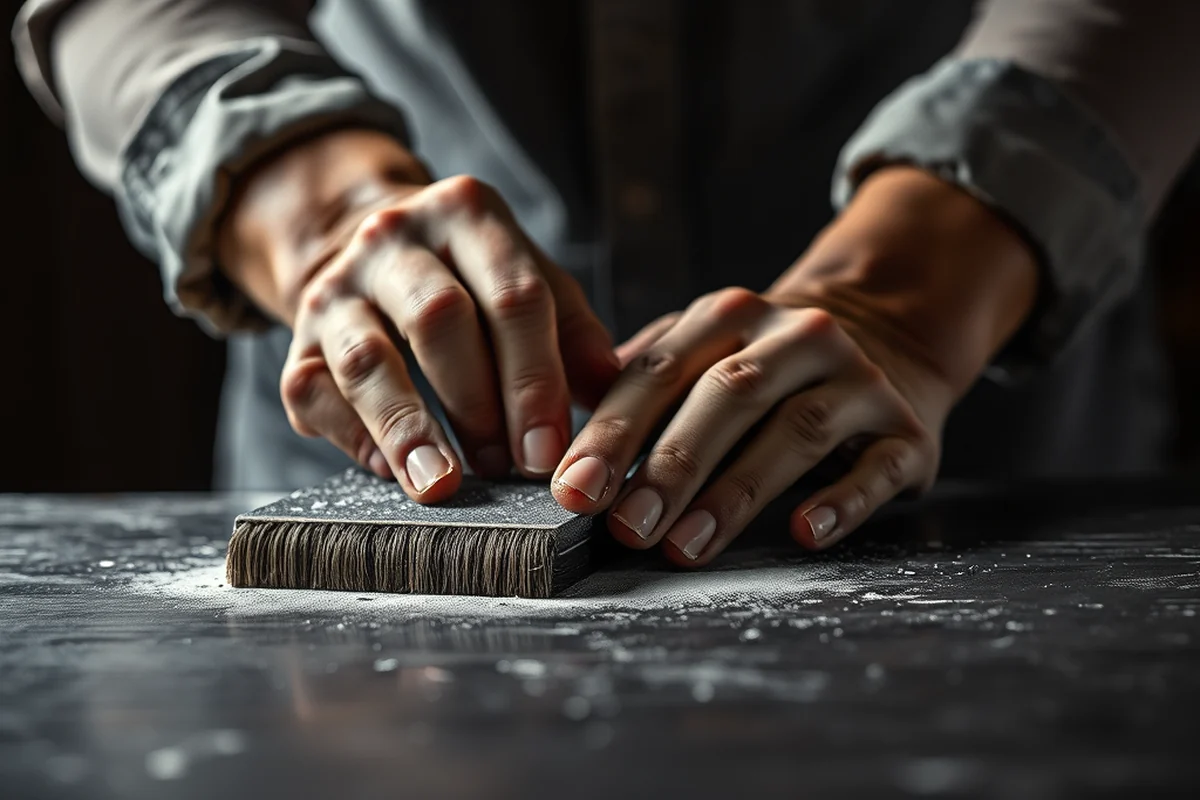
When I'm working on a project, I find myself more focused and less stressed. The process of creating something from scratch is deeply satisfying and helps clear my mind. It's like meditation in motion, where each stroke of the chisel or brush brings me into the present moment.
One of the biggest benefits of DIY projects art is the ability to solve problems creatively. I've had to figure out how to join pieces of wood seamlessly, or how to paint a canvas in a way that captures the feeling of a specific memory. These challenges are not only rewarding but also help build confidence.
Another benefit is the sense of ownership and pride that comes with completing a project. Whether it's a small sculpture or a piece of furniture, the fact that I created it with my own hands gives it meaning and value that can't be replicated.
DIY projects art is like meditation in motion — every step brings you into the present.
Related: Diy ideas at home for kids
Related: What are diy projects
Related: Diy jean designs
Related: Diy projects at home for kids
Related: Diy projects at home
Choosing the Right Materials for Your Project
I've used wood, metal, fabric, and even stone for my DIY projects, and each material has its own unique characteristics. For instance, wood is versatile and easy to work with, making it ideal for beginners. On the other hand, metal requires more specialized tools and techniques.
When choosing materials, consider the intended use of the project. If you're making a sculpture for display, you might want something more durable and visually striking. If it's for a functional piece like a table or chair, you'll need to focus on strength and stability.
It's also important to think about the aesthetic you want to achieve. Different materials can create different textures and finishes. For example, smooth wood can be stained or painted for a polished look, while rough-hewn wood offers a more rustic feel.
Always test the material before committing to a large project. For example, I once tried carving a piece of pine, only to find out it was too soft for my intended design. I switched to oak and was much happier with the results.
“I remember the first time I picked up a chisel and thought, 'Maybe I can make something that looks like art.' That moment was messy…”— DIY Wooden Step Stool Plans editors
Adding Personal Touches to Your Projects
I love incorporating elements that reflect my personality or interests into my projects. For example, I once painted a canvas with a map of my favorite travel destinations. It became a conversation piece and reminded me of the places I've been.
Another way to add a personal touch is by using custom hardware, such as handles or knobs that match your style. I've used vintage hardware on some of my furniture pieces, which adds a unique character and helps tell a story.
You can also experiment with different color schemes or textures. I've tried using bold colors on my sculptures and found that it makes them stand out more in a room. The key is to choose elements that resonate with you and enhance the overall design.
Troubleshooting Common Issues in DIY Projects Art
One common issue I've encountered is warping in wooden pieces. This can happen when the wood isn't properly seasoned or when it's exposed to moisture. To prevent this, I now always use kiln-dried wood for my projects and store it in a dry place.
Another issue is uneven surfaces. If I notice that my carving or painting isn't even, I take a step back and assess the problem. Sometimes, it's as simple as using a different technique or tool. Other times, it's about adjusting my approach entirely.
Lastly, I've had problems with finishes not adhering properly. This can be due to poor surface preparation. I now always sand my surfaces thoroughly and apply a primer before adding any paint or stain. This ensures a smoother and more durable finish.
How to Display Your DIY Projects Art
I've found that displaying art in areas with good lighting makes a big difference. Natural light can highlight the details of your work, while soft artificial lighting can create a more dramatic effect. I often use spotlights for sculptures or wall-mounted pieces.
The placement of your art is also important. I tend to hang pieces in areas where people gather, like the living room or entryway, so they can be appreciated by more people. For functional art like furniture, I place them in areas that are used frequently, so they become a part of everyday life.
Another tip is to group similar pieces together. This creates a visual impact and can make your space feel more cohesive. I've experimented with grouping sculptures, paintings, and woven pieces in a corner, and it's transformed the look of my room.
Display your art where it can be seen and appreciated — it's a form of self-expression that deserves attention.
Inspiring Others with Your DIY Projects Art
I've found that showing people the things I've made has sparked interest in their own creative pursuits. It's amazing how one small project can inspire someone else to try something new. I've had friends ask me for tips on how to start their own DIY projects, and it's always rewarding to help.
Social media has become a great platform for sharing DIY projects art. I've posted some of my work online, and it's been encouraging to see others try similar projects. It's also a way to connect with like-minded individuals and get feedback on your work.
Finally, I've started hosting small workshops where I teach others how to make their own pieces. It's a great way to give back and share the joy of creating. I've seen people gain confidence and take their skills to the next level, which is incredibly rewarding.
💰 Budget Build
Create stunning art with minimal cost using materials you already have at home, like old wood and paint.
⏰ Weekend Version
Complete a small project in just one day with pre-cut materials and simple tools.
✨ Upgraded Finish
Enhance your project with high-quality finishes like lacquer or metallic paints for a professional look.
🛋️ Small-Space Adaptation
Design pieces that fit perfectly in compact areas, like wall-mounted sculptures or foldable furniture.
🚪 Rental-Safe Option
Make temporary art that can be easily removed and stored, ideal for those in rental properties.
| The mistake | Why it happens | The fix |
|---|---|---|
| Using the wrong type of wood for a project | Certain woods are too soft or too hard for specific techniques, which can lead to warping or breakage. | Choose the right type of wood for your project. For example, use hardwoods for carving and softer woods for painting. |
| Skipping the sanding process | Skipping sanding can result in an uneven surface and a less polished finish. | Always sand your pieces thoroughly before applying any paint or stain to ensure a smooth surface. |
| Overcomplicating the design | Trying to create too intricate of a design can be overwhelming and may lead to frustration. | Start with simple designs and gradually move to more complex ones as you gain confidence and experience. |
| Not planning the project in advance | Failing to plan can lead to wasted time, materials, and effort. | Create a detailed plan before starting your project, including a list of materials, tools, and steps to follow. |
Diy Projects Art
Common Questions
What tools do I need to get started with DIY projects art?
How long does it take to complete a DIY project?
Can I use recycled materials for my DIY projects art?
What if I make a mistake during my project?
References
Cite this guide
DIY Wooden Step Stool Plans (2026). Diy Projects Art. https://stoolreach.com/diy-projects-art/
Feel free to cite or share this guide.